- The Point by Modern Sciences
- Posts
- Electric Ice, Tortoise Moods & A Microplastic Solution
Electric Ice, Tortoise Moods & A Microplastic Solution
The Point by Modern Sciences - November 12, 2025

Don Smith
November 12, 2025
By The Modern Sciences Team | November 12, 2025 |
Good day, Cultivators of Curiosity!
Welcome to the 45th volume of The Point by Modern Sciences! For this milestone issue, we’re exploring how the extraordinary is often hidden within the ordinary. The world around us holds secrets that challenge our assumptions and offer elegant solutions to complex problems, and this week’s research highlights are a perfect testament to that.
We begin by looking into the mind of a reptile, where a pioneering study on red-footed tortoises reveals the first clear evidence of long-term moods, forcing us to rethink animal sentience. Next, we turn from the animal kingdom to the plant world, where a simple and sustainable solution to microplastic pollution has been found in okra and fenugreek. Finally, we investigate a substance we all take for granted—ice—and a shocking discovery that it can generate electricity when bent, potentially solving the long-standing mystery of how lightning forms in thunderstorms. We invite you to dive into these fascinating discoveries that prove there’s always more to learn, even in the most familiar places.
NATURE
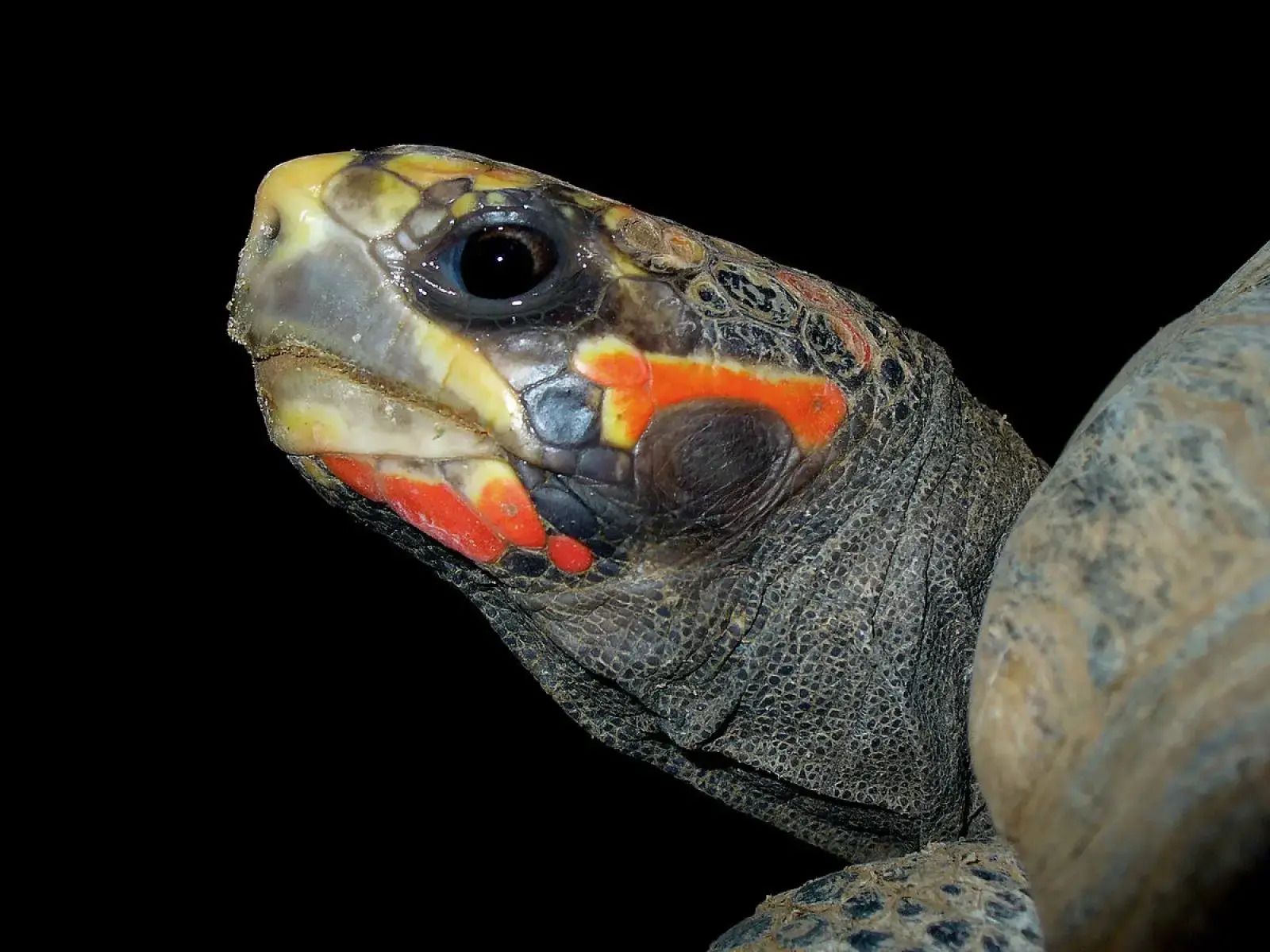
Study finds red-footed tortoises can experience moods
Scientists at the University of Lincoln have discovered that red-footed tortoises experience long-term moods, a capacity previously unproven in reptiles. Using cognitive and anxiety tests, researchers found a link between optimistic decision-making and less anxious behavior. This groundbreaking finding challenges long-held beliefs about reptile sentience and has significant implications for their welfare standards and our understanding of emotional evolution.
The Point:
Reptiles experience complex mood states: A pioneering study on red-footed tortoises provides the first clear evidence that they have long-term optimistic or pessimistic moods, challenging assumptions about their inner worlds.
Optimism was linked to behavior and environment: Researchers used a cognitive bias test to show that tortoises in enriched enclosures made more optimistic judgments, which directly correlated with less anxious behavior.
The discovery impacts both welfare and evolutionary science: These findings are crucial for developing reptile welfare standards and suggest that the capacity for mood evolved hundreds of millions of years ago.
NATURE
Plant-Based Extracts Show Promise in Removing Microplastics from Water, Study Finds
Plant extracts from okra and fenugreek show strong potential for removing microplastics from water, offering a biodegradable, eco-friendly alternative to synthetic treatments. Lab tests revealed that these natural substances could eliminate up to 90% of microplastics in certain water types, marking a significant step toward safer and more sustainable wastewater treatment methods.
The Point:
Plant-based cleanup for microplastics: Researchers have discovered that natural extracts from okra and fenugreek can remove microplastics from water more effectively and safely than conventional synthetic polymers.
High removal rates across water types: Laboratory tests showed that fenugreek extract eliminated up to 90% of microplastics in groundwater while combining it with okra removed up to 77% in freshwater environments.
Eco-friendly and efficient method: Using one gram of plant powder per liter, this natural approach outperformed polyacrylamide, offering a faster, non-toxic, and biodegradable solution for global water treatment.
MATH AND THE SCIENCES
New study: Common ice generates electricity when bent
A groundbreaking study in Nature Physics reveals that ordinary ice is a flexoelectric material, capable of generating electricity when subjected to uneven deformation. This surprising discovery not only compares ice’s electrical properties to advanced ceramics but also provides a compelling new theory for how lightning is generated in thunderstorms, potentially paving the way for new technologies in cold environments.
The Point:
Ice is found to be a strong flexoelectric material: A study in Nature Physics shows for the first time that frozen water can generate electricity when bent or unevenly stressed, a property that was previously unrecognized in the common material.
The discovery offers a new explanation for lightning: Researchers propose that flexoelectricity may be the long-sought mechanism behind cloud electrification, where collisions and irregular deformations of ice particles inside thunderstorms generate the massive charge required for lightning.
A unique ferroelectric surface phase was also identified: At temperatures below -113°C, the surface of ice becomes ferroelectric, possessing a natural and reversible electrical polarization that adds another layer to its surprising electromechanical properties.