- The Point by Modern Sciences
- Posts
- A Conservation Triumph, Our Fossil Legacy, and a World on the Edge
A Conservation Triumph, Our Fossil Legacy, and a World on the Edge
The Point by Modern Sciences - June 18, 2025 (A)

Don Smith
June 18, 2025
By The Modern Sciences Team | June 18, 2025 |
Happy Wednesday, Cultivators of Curiosity!
The 24th volume of The Point by Modern Sciences shifts its focus to the indelible and often paradoxical signature humanity leaves on the planet. Our legacy is being written simultaneously in the vibrant recovery of life and the permanent scars of our creation. This edition explores that dichotomy through three distinct lenses, revealing how our actions today are actively reshaping tomorrow's biological, geological, and demographic maps.
We begin with a story of ecological hope, tracing the genetic unification of Yellowstone’s bison into a single, robust herd. This remarkable conservation success offers a powerful lesson in how focused intervention can reverse near-extinction, providing a critical blueprint for managing iconic species. We then pivot to the future, unearthing the "technofossils" our civilization will leave behind. By examining how everything from plastic waste to chicken bones will fossilize, we must confront the strange and permanent geological archive our consumption creates for future eras. Finally, we zoom in on a pressing global trend: the rapid and massive migration to our planet's coastlines. This analysis highlights a growing vulnerability, underscoring the urgent need for intelligent planning as more of humanity clusters in environmentally fragile areas. Together, these pieces reveal the profound and accelerating ways our choices define the future of life on Earth.
A short message from our friends at ElevenLabs
ElevenLabs is our favorite platform for AI-generated audio. We use it regularly to bring written content to life—whether it’s for narrating articles, sharing ideas, or creating hands-free learning experiences. It’s surprisingly easy to use, yet powerful enough to support complex projects. Here are just a few of the features we love:
Lifelike Voice Generation: Convert written content into ultra-realistic speech that sounds natural and engaging.
Podcast Creation: Turn any text, PDF, or link into a multi-voice podcast with GenFM—ideal for learning on the go or distributing audio content fast.
Voice Customization: Adjust tone, pitch, and style—or clone your own voice for a personal touch.
Multilingual Reach: Translate and dub content across 30+ languages while preserving tone and clarity.
Conversational AI: Build real-time, responsive voice agents that can handle dynamic back-and-forth dialogue.
Developer-Ready Tools: Easily integrate ElevenLabs into your own projects using fast, flexible APIs.
Strong Security: Your data is protected with enterprise-grade security, including SOC2 and GDPR compliance.
Try ElevenLabs for free before the trial ends:
https://try.elevenlabs.io/gs5z72a5o00z
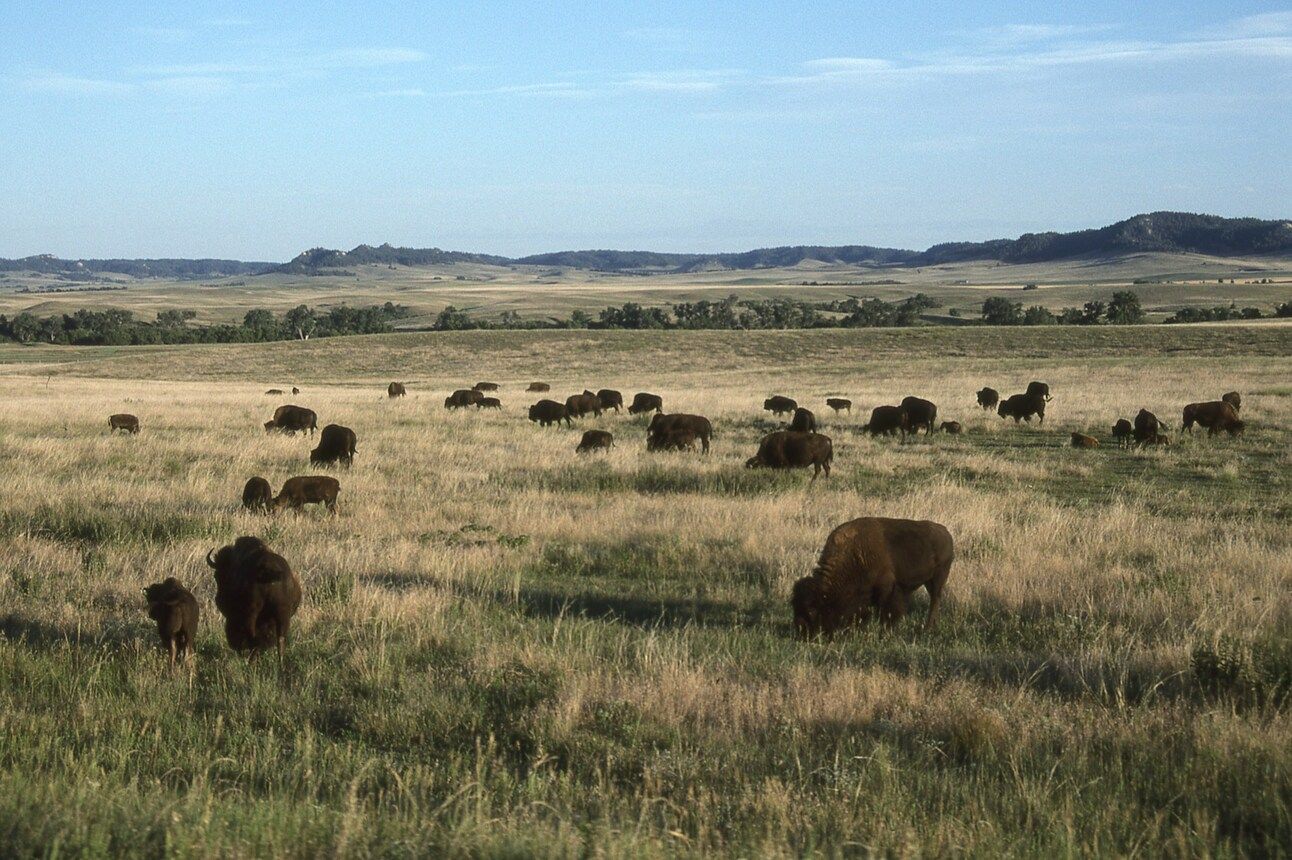
(Photo by Thomas Fields on Unsplash)
NATURE
Genetic Study Shows Yellowstone Bison Now Form One Interbreeding Herd
Yellowstone’s iconic bison have overcome near extinction and now form a single, genetically unified herd. New research confirms that the park’s two former breeding subgroups are no longer distinct. This genetic integration strengthens conservation efforts, ensuring more resilient management of a species that once teetered on the brink but now thrives as a restored symbol of American wildlife.
The Point:
Genetic Unification of Yellowstone Bison: A recent study reveals that the two previously distinct subgroups of Yellowstone’s bison have now interbred, forming a genetically connected herd. This change, confirmed through advanced genetic tools, shows that the entire bison population now functions as a single, healthy group with no significant genetic differences between the groups.
Historical Population Bottleneck and Recovery: Yellowstone's bison population faced near extinction in the late 19th century due to poaching, with only 23 individuals remaining. Following the introduction of bison from Montana and Texas in the early 1900s, the population has steadily grown, fluctuating between 4,000 and 6,000 individuals, marking one of the most successful conservation efforts in history.
Implications for Conservation Management: This genetic finding is crucial for ongoing conservation efforts, providing a clearer picture of the bison's genetic health. Understanding the current breeding patterns will assist in managing the bison population more effectively, ensuring the long-term stability and sustainability of this iconic species in Yellowstone.
EARTH
How the pollution of today will become the ‘technofossils’ of the far future
Billions of aluminum cans, polyester clothes, chicken bones, and concrete slabs are silently becoming tomorrow’s fossils. These durable leftovers of modern life will shape the geological record, marking our age with plastic, pollution, and engineered abundance. What we discard today could puzzle far-future paleontologists—and serve as enduring proof of human impact on Earth’s deep time.
The Point:
Technofossils as our legacy: Everyday objects like aluminum cans, polyester clothing, concrete, and electronic waste will leave an enduring mark on Earth's geological record. Unlike natural materials, these human-made items resist decay and could fossilize, providing future geologists with evidence of our technological dominance.
Chicken bones are a fossilized sign of human impact. The mass consumption of broiler chickens—genetically modified for rapid growth—will result in landfills filled with their fragile, deformed bones. These fossils may perplex future scientists, revealing a species that thrived unnaturally due to human intervention.
Pollution today, fossils tomorrow: The materials we discard—plastics, industrial waste, and landfill deposits—are modern environmental hazards and future geological markers. Understanding how these materials fossilize can help address contemporary pollution challenges before they become permanent scars in Earth's history.
EARTH
15% of global population lives within a few miles of a coast − and the number is growing rapidly
Fifteen percent of the world’s population lives within 10 kilometers of the coast, concentrated on just 4% of inhabitable land. New global data reveals that coastal populations—especially in Asia and Africa—have surged, exposing billions to rising seas, intensifying storms, and ecological strain. Coastal regions now face a dual challenge of economic opportunity and escalating climate vulnerability.
The Point:
Coastal Population Surge: Coastal regions host 29% of the global population, with 15% living within 10 kilometers of the shore. Between 2000 and 2018, this population grew by 233 million, highlighting the intense human draw to coastal areas for economic, trade, and recreational opportunities.
Global Trends and Risks: Asia and Africa account for 78% of the coastal population growth, with Asia hosting 60% of Earth's coastal inhabitants and Africa experiencing the fastest growth. This expansion increases exposure to rising sea levels, storm surges, and environmental degradation.
Critical Insights for Planning: New high-resolution data from the LandScan Global project enables precise tracking of coastal population trends, essential for mitigating human and environmental risks in these densely populated and economically vital areas.