- The Point by Modern Sciences
- Posts
- Ancient DNA, Animal Behavior Myths, and the Science of Roundabouts
Ancient DNA, Animal Behavior Myths, and the Science of Roundabouts
The Point by Modern Sciences - May 7, 2025 (A)

Don Smith
May 07, 2025

By The Modern Sciences Team | May 7, 2025 |
Welcome to May, Cultivators of Curiosity!
Welcome to the 18th volume of The Point by Modern Sciences, where we explore new revelations in anthropology, animal behavior, and urban design. This edition covers the unexpected discovery of East Asian ancestry in Southeast Asia predating the Austronesian expansion, a groundbreaking study that challenges traditional views on same-sex behavior in animals, and the proven safety benefits of roundabouts in improving traffic flow and reducing crashes.
These articles not only delve into areas of research that reshape our understanding of history and nature but also highlight practical solutions for modern-day challenges. From uncovering ancient genetic connections to redefining societal perceptions and improving urban infrastructure, this volume brings forward insights that challenge assumptions and offer fresh perspectives on the world.
A short message from our friends at ElevenLabs
ElevenLabs is our favorite platform for AI-generated audio. We use it regularly to bring written content to life—whether it’s for narrating articles, sharing ideas, or creating hands-free learning experiences. It’s surprisingly easy to use, yet powerful enough to support complex projects. Here are just a few of the features we love:
Lifelike Voice Generation: Convert written content into ultra-realistic speech that sounds natural and engaging.
Podcast Creation: Turn any text, PDF, or link into a multi-voice podcast with GenFM—ideal for learning on the go or distributing audio content fast.
Voice Customization: Adjust tone, pitch, and style—or clone your own voice for a personal touch.
Multilingual Reach: Translate and dub content across 30+ languages while preserving tone and clarity.
Conversational AI: Build real-time, responsive voice agents that can handle dynamic back-and-forth dialogue.
Developer-Ready Tools: Easily integrate ElevenLabs into your own projects using fast, flexible APIs.
Strong Security: Your data is protected with enterprise-grade security, including SOC2 and GDPR compliance.
Try ElevenLabs for free before the trial ends:
https://try.elevenlabs.io/gs5z72a5o00z
Image not found
HISTORY
Southeast Asia Had East Asian Heritage Before the Austronesians Ever Got There
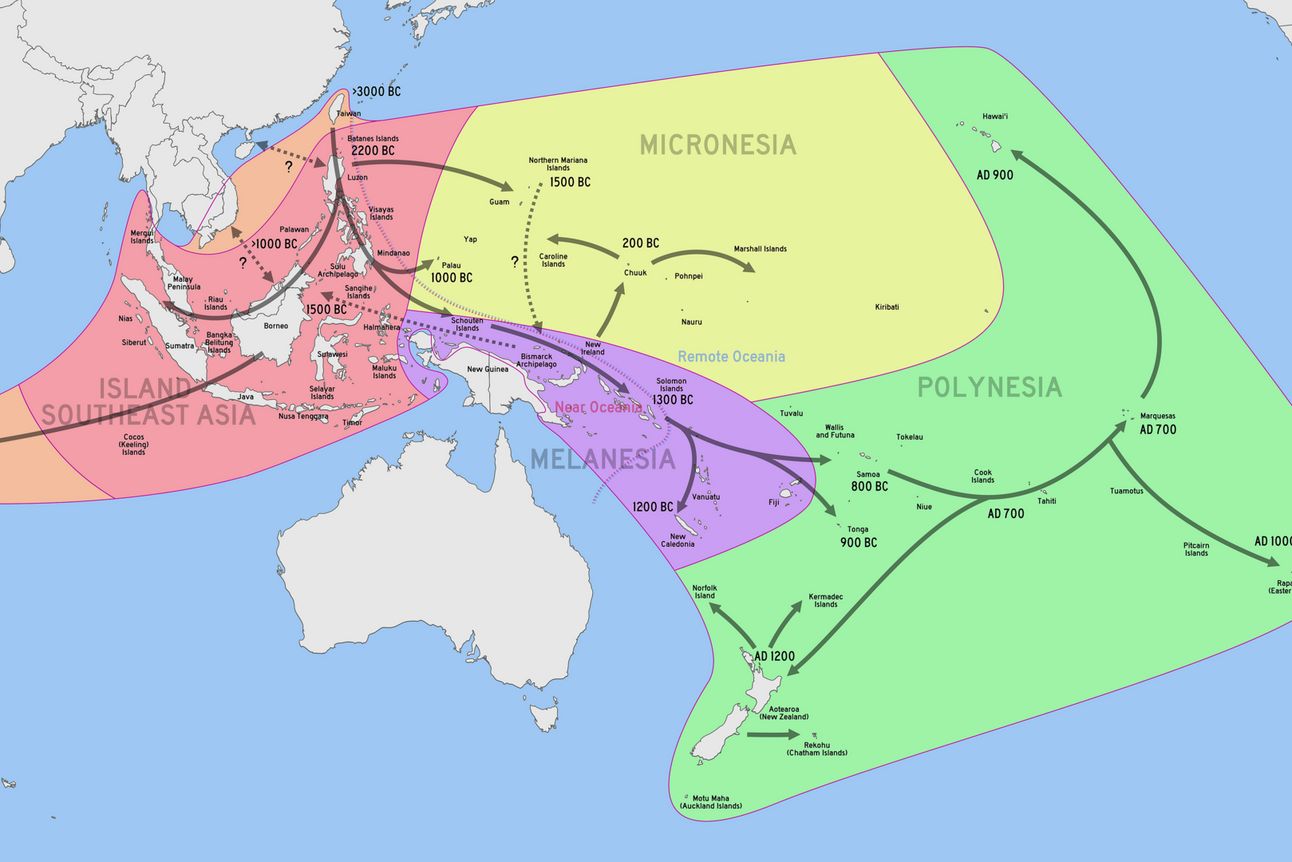
A recent study has uncovered fascinating insights into the early human inhabitants of Southeast Asia, challenging traditional theories about the region's genetic history. Researchers analyzed the remains of a 7,300-year-old woman, revealing her East Asian heritage and Denisovan DNA. This suggests that East Asian ancestry existed in the region long before the Austronesian migration. This discovery reshapes our understanding of ancient human movements and genetic diversity in Southeast Asia. Read more.
The Point:
Ancient East Asian ancestry before Austronesians: The 7,300-year-old remains of “Besse” from Sulawesi show that East Asian lineage was present in Wallacea long before the Austronesian expansion began around 3,500 BCE.
Genetic ties to Denisovans and Papuan ancestors: DNA analysis revealed that Besse carried both Denisovan ancestry and genetic links to present-day Papuans and Aboriginal Australians, pointing to a deep and mixed lineage.
A more complex Southeast Asian origin story: The discovery challenges simplified migration models, showing Wallacea as a genetically diverse region shaped by multiple ancient population waves.
Unlock the Secrets of Science, Philosophy, and Culture.

Discover stories that stretch your mind and stir your imagination. Nautilus, the science newsletter, explores the deep connections between science, philosophy, and culture — one idea at a time. Join thousands of curious readers and get beautifully crafted essays delivered to your inbox every week.
NATURE
Researchers Challenge Assumptions on Animal Homosexuality with Groundbreaking Study
A groundbreaking study has challenged long-held assumptions about animal homosexuality, revealing that same-sex behavior is more common across various species than previously believed. By analyzing data from 65 studies on mammals like elephants, monkeys, and raccoons, researchers found that 76% documented homosexual behavior, pushing for a deeper exploration of this behavior in the animal kingdom. Read more.
The Point:
Widespread Same-Sex Behavior: A new study published in PLOS ONE reveals that homosexual behavior is more common in various animal species than previously believed, with 76% of the 65 studies analyzed documenting such behavior.
Challenging Preconceptions: The research overturns the traditional assumption that homosexuality is rare among animals, highlighting the need for further exploration and understanding of same-sex interactions in the animal kingdom.
Research Bias Addressed: The study found that few researchers specifically collected data on homosexual behavior, and those who did, including LGBTQ+ researchers, were equally likely to study this topic, challenging biases in research focus.
ENGINEERING
What are roundabouts? A transportation engineer explains the safety benefits of these circular intersections
Roundabouts, once a rare sight in the U.S., are now becoming a staple in modern traffic management, offering significant safety and efficiency benefits. A recent study explains how these circular intersections reduce traffic accidents, improve flow, and minimize congestion. As more cities adopt roundabouts, their growing popularity raises questions about why some regions embrace them more than others. Read more.
The Point:
The Benefits of Roundabouts: Roundabouts improve traffic flow, reduce congestion, and enhance safety by reducing potential conflict points and requiring slower speeds. Compared to traditional intersections, they cut serious and fatal crashes by up to 90% and reduce fuel consumption and emissions.
A Historical Perspective: Roundabouts have evolved into highly efficient traffic solutions from early circular designs in 18th-century Europe to the adoption of yield-at-entry rules in mid-20th-century Britain. Modern roundabouts gained traction in the U.S. after the first was built in Las Vegas in 1990.
Widespread Adoption and Regional Variations: With over 10,000 roundabouts in the U.S. today, their growth is driven by safety and efficiency benefits. However, adoption varies by region, with states like Florida leading in numbers, while less congested areas like the Dakotas have fewer installations.