- The Point by Modern Sciences
- Posts
- Supersaurus Size, Plastic Code Myths, and the Risk of Mirror Life Forms
Supersaurus Size, Plastic Code Myths, and the Risk of Mirror Life Forms
The Point by Modern Sciences - April 16, 2025 (A)

Don Smith
April 16, 2025
By The Modern Sciences Team | April 16, 2025 |
Hello again, Cultivators of Curiosity!
Welcome to the 15th volume of The Point by Modern Sciences, where we explore fascinating discoveries that challenge our understanding of the natural world. This edition uncovers the colossal Supersaurus, which may have been the longest dinosaur ever to roam the Earth, and the hidden meanings behind the numbers found on plastic bottles, which are essential for recycling and environmental management. We also dive into the potentially perilous world of mirror life forms—molecules that could revolutionize medicine and threaten human health and ecosystems if mismanaged.
These articles highlight the vast range of scientific exploration, from uncovering ancient giants to addressing the evolving challenges of modern technology. Whether it's the immense size of prehistoric creatures, the science behind everyday items like plastic packaging, or the ethical concerns surrounding futuristic biology, this volume offers insights into topics that influence our past and future.
A short message from our friends at ElevenLabs
ElevenLabs is our favorite platform for AI-generated audio. We use it regularly to bring written content to life—whether it’s for narrating articles, sharing ideas, or creating hands-free learning experiences. It’s surprisingly easy to use, yet powerful enough to support complex projects. Here are just a few of the features we love:
Lifelike Voice Generation: Convert written content into ultra-realistic speech that sounds natural and engaging.
Podcast Creation: Turn any text, PDF, or link into a multi-voice podcast with GenFM—ideal for learning on the go or distributing audio content fast.
Voice Customization: Adjust tone, pitch, and style—or clone your own voice for a personal touch.
Multilingual Reach: Translate and dub content across 30+ languages while preserving tone and clarity.
Conversational AI: Build real-time, responsive voice agents that can handle dynamic back-and-forth dialogue.
Developer-Ready Tools: Easily integrate ElevenLabs into your own projects using fast, flexible APIs.
Strong Security: Your data is protected with enterprise-grade security, including SOC2 and GDPR compliance.
Try ElevenLabs for free before the trial ends:
https://try.elevenlabs.io/gs5z72a5o00z
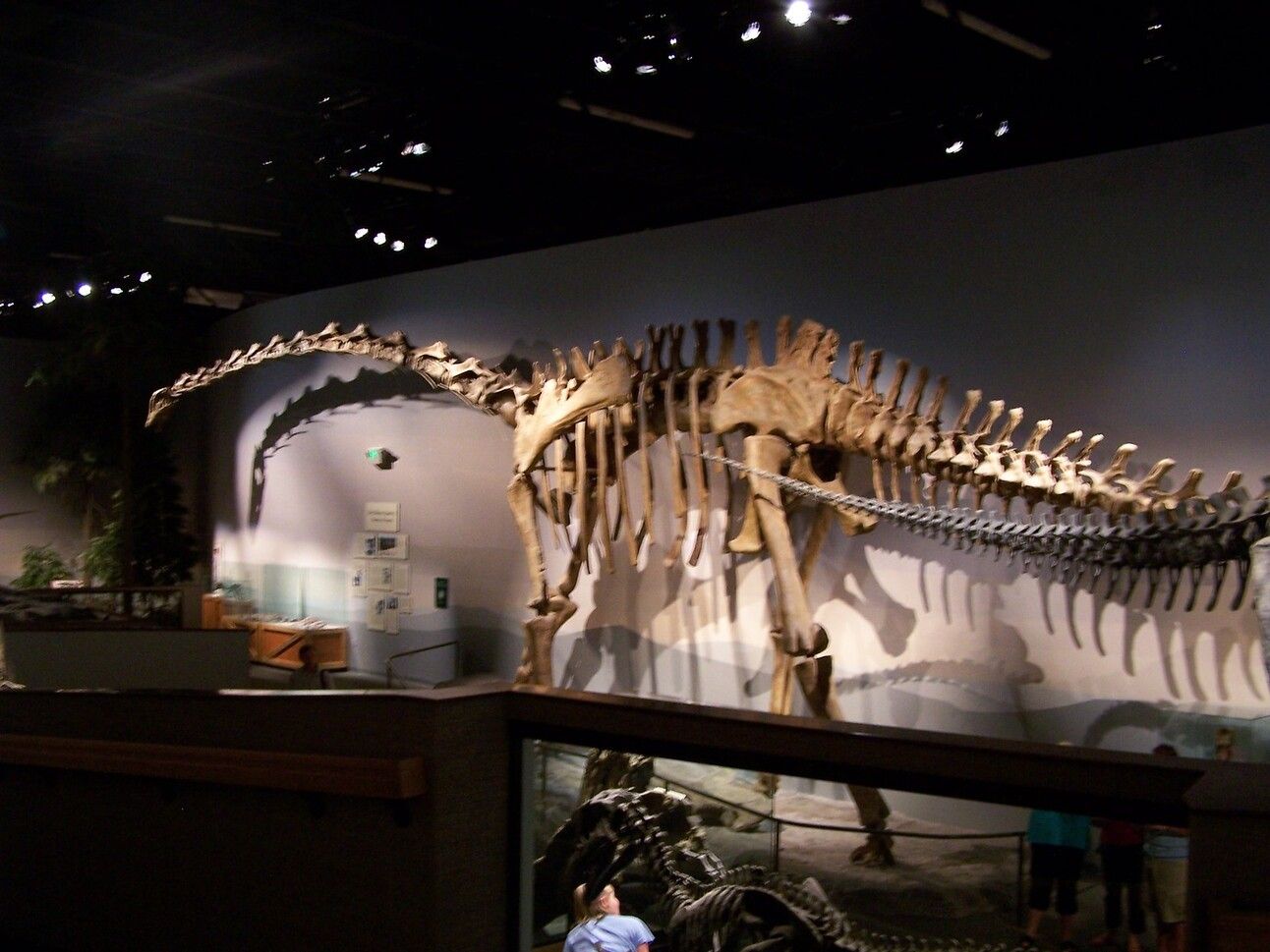
"Supersaurus" by ZacharyTirrell is licensed under CC BY-SA 2.0.
NATURE
Supersaurus May Have Been the Longest Dinosaur to Have Ever Lived
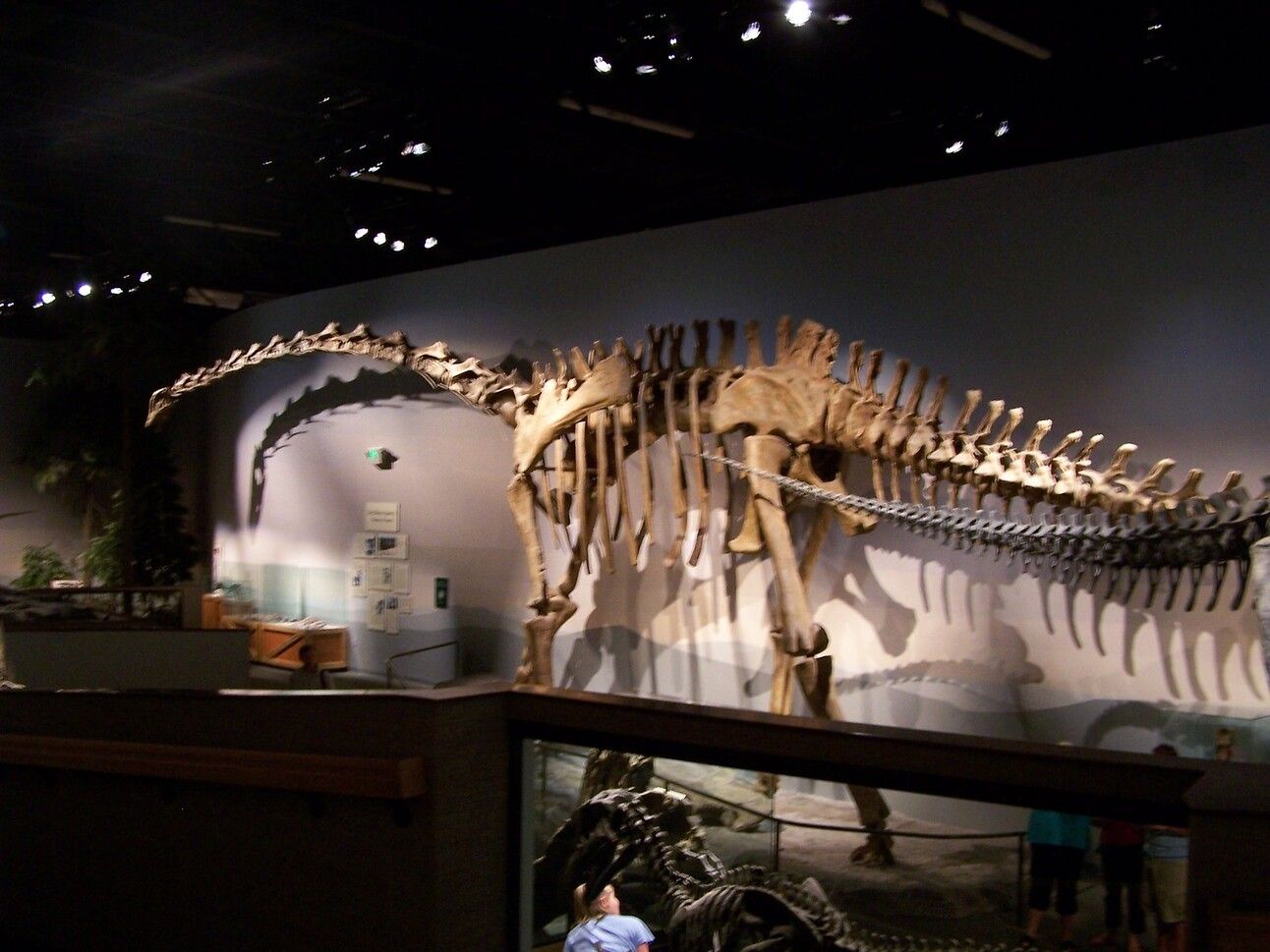
A 2021 study revealed that Supersaurus, the largest known dinosaur, reached lengths up to 42 meters (137 feet), surpassing even the blue whale. Initially discovered in 1972, its skeleton parts were mixed up with other species. Researchers, led by Brian Curtice, analyzed data from multiple specimens, including "Jimbo" and "Goliath," to confirm Supersaurus' massive size. Despite its length, it wasn't the heaviest sauropod, a title held by Argentinosaurus. Read more.
The Point:
Supersaurus may be the longest dinosaur on record: With an estimated length of 39–42 meters (128–137 feet), Supersaurus would have surpassed even the blue whale in length, making it one of the largest known dinosaurs.
A fossil mix-up led to years of research: Jim Jensen's initial discoveries in 1972 were considered separate dinosaur species. However, recent research by Curtice and the team revealed that many of these fossils actually belonged to a single species, Supersaurus.
Supersaurus' size doesn't equate to weight: While it may have been the longest dinosaur, Supersaurus was not the heaviest. That title went to Argentinosaurus, which may have weighed up to 82 metric tons.

You’ve heard the hype. It’s time for results.
For all the buzz around agentic AI, most companies still aren't seeing results. But that's about to change. See real agentic workflows in action, hear success stories from our beta testers, and learn how to align your IT and business teams.
ENGINEERING
The Numbers Under Your Soda Bottle: What Do They Mean?
The numbers you see under a soda bottle are part of the Resin Identification Code (RIC), which classifies plastics into seven categories. These codes help identify the plastic type used for the bottle, informing consumers and waste disposal services. Understanding these codes aids recycling efforts and effectively informs the handling of waste materials. Read more.
The Point:
Resin Identification Codes explain plastic types: The numbers found in triangles on plastic packaging—known as Resin Identification Codes (RIC)—indicate the specific type of plastic used, helping consumers and recycling facilities identify and sort materials.
Each plastic has unique properties and uses: From lightweight, recyclable PET used in beverage bottles to chemical-resistant PVC in plumbing and foamed polystyrene in packaging, each RIC-labeled plastic serves a distinct purpose based on its material characteristics.
RICs are not direct indicators of recyclability. While they resemble recycling symbols, the triangle-marked numbers do not guarantee recyclability; to prevent confusion, ASTM removed the arrows in 2013, clarifying that RICs identify the plastic type, not recyclability.
NATURE
‘Mirror life forms’ may sound like science fiction, but scientists warn they could be deadly to humans and destroy the environment
A recent study has highlighted the potential risks of creating "mirror life forms" using enantiomers—molecules that are mirror images of one another. These mirror organisms, such as bacteria, could evade immune systems, causing dangerous infections and disrupting ecosystems. While the concept of mirror life is still in its infancy, experts urge cautious development, stressing the need for careful oversight and global collaboration to prevent unforeseen ecological and health hazards. Read more.
The Point:
Mirror Molecules and Their Risks: Scientists warn that mirror-image life forms, such as bacteria made from "enantiomers," could evade immune systems and disrupt ecosystems. These molecules are structurally identical to natural ones but have opposite "handedness," posing unprecedented biological risks.
Potential Benefits and Concerns: Mirror molecules hold promise for medicine, such as cancer treatments, due to their resistance to natural enzymes. However, complete mirror organisms, if created, could proliferate uncontrollably, bypass immune defenses, and displace native species, leading to ecological damage.
Call for Governance and Oversight: While the creation of mirror bacteria remains a decade away, scientists emphasize the need for international collaboration, strict oversight, and governance to address risks responsibly. Their warning urges proactive measures to prevent unintended consequences of this technology.