- The Point by Modern Sciences
- Posts
- Decoding Smell, Salmon Conservation Risks, and Humpback Whale Migration
Decoding Smell, Salmon Conservation Risks, and Humpback Whale Migration
The Point by Modern Sciences - February 27, 2025 (A)

Don Smith
February 27, 2025
By The Modern Sciences Team | February 27, 2025 |
Happy Wednesday, Cultivators of Curiosity!
Welcome to the 8th volume of The Point by Modern Sciences, where we delve into breakthrough research in olfactory science, marine conservation, and the challenges of climate change. This edition explores the first 3D model revealing how odor molecules activate human receptors, the pressing need for effective conservation of Atlantic salmon amidst growing environmental threats, and a new model that predicts humpback whale migration patterns, offering hope for survival in a changing world.
Each article in this volume presents innovative solutions and critical insights, from the science of smell to the future of marine species conservation. These discoveries advance our understanding of the natural world and highlight the urgent need for evidence-based actions to protect ecosystems under threat. Whether in the lab or the wild, the articles in this issue illustrate how science is continuously working to unravel complex biological processes and protect species crucial to our planet’s health.
A short message from our friends at Merlin
Merlin is our team's favorite AI platform. We use it EVERY day. It is a powerful platform that allows you to access the best of every AI model. It is incredibly powerful, yet as intuitive as it could be. Here are a few of the many features that we love:
AI-Powered Assistance: Tap into advanced AI models like ChatGPT, Claude, Gemini, and more to revolutionize your productivity.
Interactive Chat Features: Enjoy the unique ability to chat directly with YouTube content and websites, making research and engagement effortless. Its Chrome extension makes it really easy to interact with all websites.
Comprehensive Toolset: Leverage an all-in-one suite of tools for task management, reminders, note-taking, and beyond—all designed to streamline your workflow.
Email Integration: Supercharge your email apps (like Gmail) with smart features that help cut down on drafting, replying, and organizing, so you spend less time on emails and more on what matters.
Seamless Mobile Experience: Stay connected on the go with an intuitive phone app that offers full functionality anytime, anywhere.
Enhanced Productivity: Combine cutting-edge AI with versatile tools to automate routine tasks and boost your efficiency across all digital platforms.
Robust Security: Rely on top-notch security measures that protect your data while ensuring a smooth and safe user experience.
Try Merlin for free using this link: https://fas.st/t/sv9iExbB
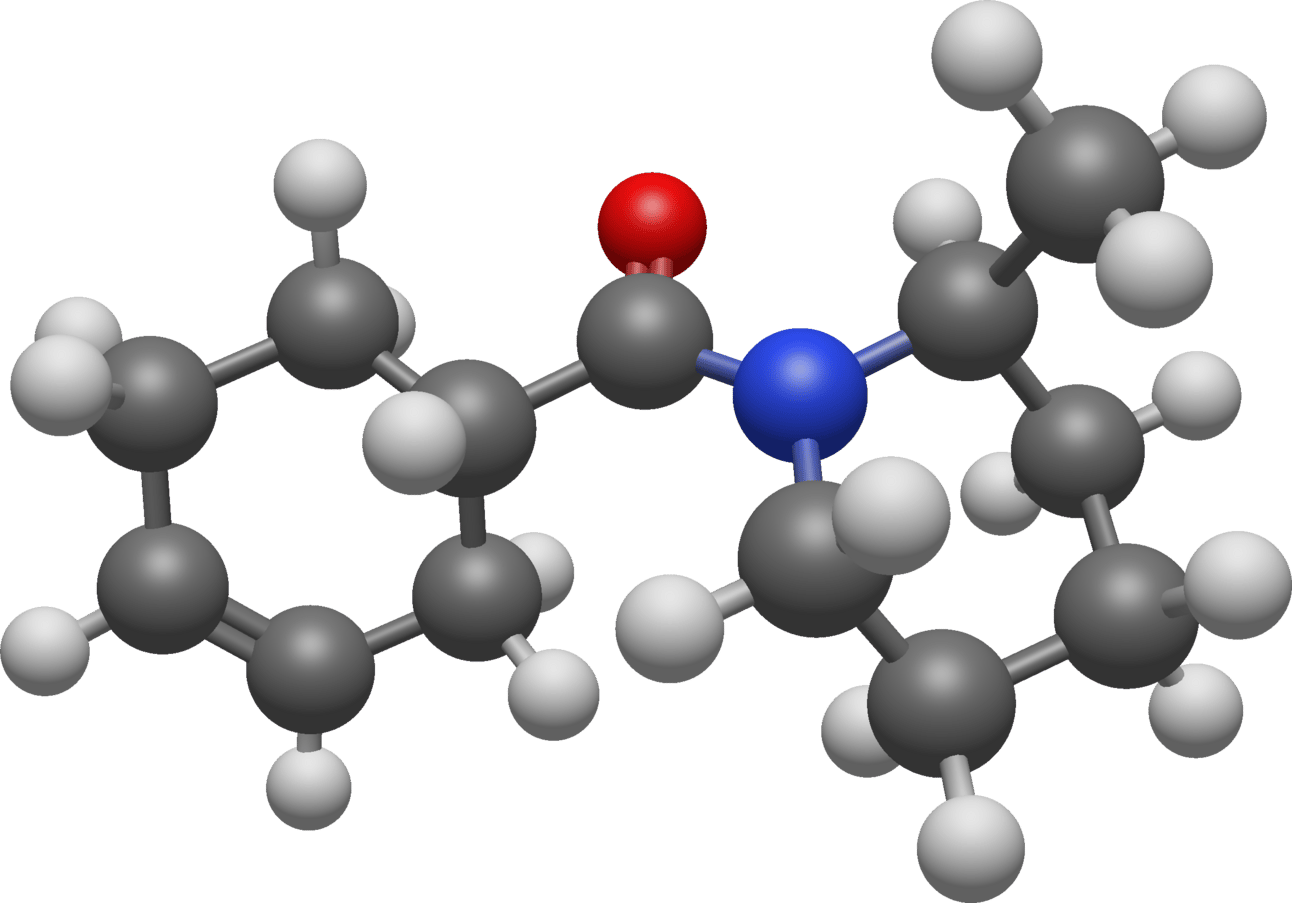
"SS220 3D BS" by Mplanine is licensed under CC BY-SA 4.0.
MATH AND THE SCIENCES
First "3D Picture" of How Odor Molecules Activate Human Odorant Receptors Revealed
Researchers created the first 3D model of how an odor molecule activates a human odorant receptor, offering groundbreaking insights into how scents are perceived. Read more.
The Point:
Breakthrough in Olfactory Science: Scientists at UC San Francisco created the first 3D model of how an odor molecule, such as propionate, activates a human odorant receptor, potentially revolutionizing the design of novel scents in fragrance and food science.
Key Insights into Smell Perception: The study revealed how odorant receptors, like OR51E2, bind tightly to specific molecules. This explains how the olfactory system detects and interprets scents, with implications for understanding the interplay between odor molecules and receptors.
Broader Implications: Beyond perfumes and food, this research paves the way for new applications, such as investigating odorant receptors' roles in health conditions like prostate cancer and gut serotonin release, while advancing the science of smell.
Fact-based news without bias awaits. Make 1440 your choice today.
Overwhelmed by biased news? Cut through the clutter and get straight facts with your daily 1440 digest. From politics to sports, join millions who start their day informed.
NATURE
Atlantic salmon need saving, but current conservation measures could do more harm than good
Atlantic salmon populations in Scotland's Cairngorms rivers have been declining due to climate change impacts, including warmer winters, lower summer flows, and altered feeding grounds in the Atlantic. Read more.
The Point:
Salmon Habitat Under Pressure: Scotland’s iconic rivers face threats from climate change, including rising temperatures and altered river flows. This has prompted conservation efforts to enhance salmon resilience through habitat restoration projects.
Questionable Engineering Practices: Large-scale installation of engineered wood in pristine streams is being carried out with little scientific evidence of its benefits. These interventions risk damaging existing high-quality salmon habitats and disrupting natural river dynamics.
Need for Evidence-Based Action: Current restoration projects lack adequate environmental assessment and monitoring. Effective conservation requires rigorous evaluation, adaptive management, and a focus on preserving rather than unnecessarily altering protected river ecosystems.
NATURE
A new model accurately predicts the migration of humpback whales – and may help them survive climate change
Researchers developed a model to simulate the migratory movements and behaviors of humpback whale mother-calf pairs in east Australia, addressing gaps in knowledge about their underwater activities and decision-making processes. Read more.
The Point:
New Migration Insights: Researchers developed a predictive model to simulate humpback whale mother and calf migration along the east coast of Australia, providing valuable insights into their behaviors and environmental preferences during southward movements.
Critical Factors for Migration: The model highlights the importance of water depth, temperature, and proximity to the coastline, demonstrating how these factors influence resting and migration patterns, particularly around Hervey Bay's sheltered waters.
Conservation Applications: While limited in predicting travel times, the model is a robust framework for understanding humpback whale migration and offers the potential for adaptation to study other marine species, aiding conservation efforts amidst climate change impacts.