- The Point by Modern Sciences
- Posts
- Bone Wars Rivalry, Surprising Dunes, and Hedgehog Rescue Tips
Bone Wars Rivalry, Surprising Dunes, and Hedgehog Rescue Tips
The Point by Modern Sciences - January 29, 2025

Don Smith
January 29, 2025
In partnership with


By The Modern Sciences Team | January 29, 2025 |
Happy Wednesday, Cultivators of Curiosity!
Welcome to the 4th edition of The Point by Modern Sciences, where we uncover riveting stories from paleontology, environmental science, and wildlife conservation. In this edition, we dive into the infamous Bone Wars that revolutionized paleontology, reveal surprising insights into sand dunes and their vital role in climate records and coastal defense, and provide expert advice on rescuing hedgehogs in distress.
From the fierce competition that shaped the field of paleontology to the critical ecological functions of sand dunes and practical tips for helping hedgehogs, this volume offers a diverse range of topics that highlight how science continuously reshapes our understanding of nature and history. Each article brings essential lessons on how past discoveries, environmental changes, and wildlife interactions affect our world today and in the future.
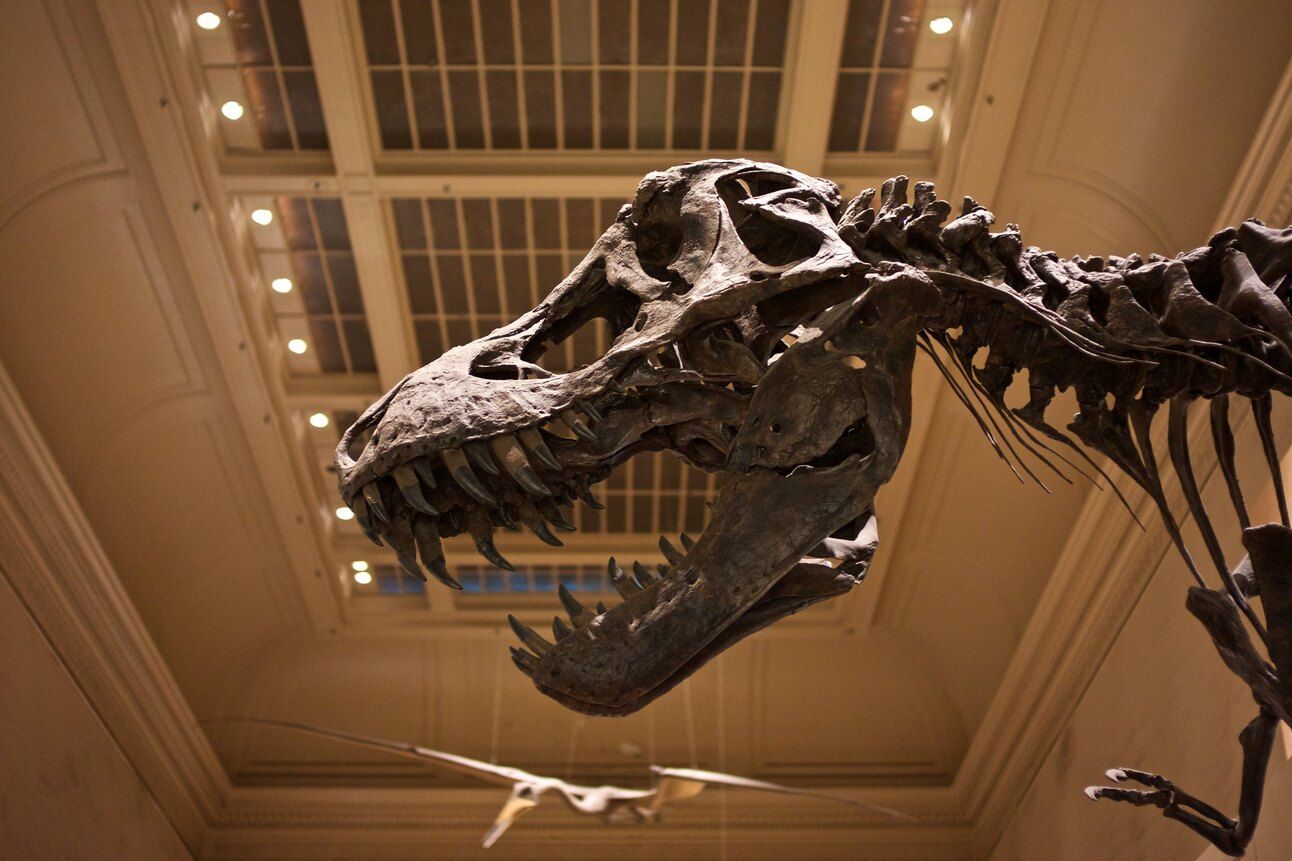
"Tyrannosaurus Rex" by levork is licensed under CC BY-SA 2.0.
HISTORY
The Bone Wars: How a Bitter Rivalry Gave the Spotlight to Paleontology
Paleontologists Edward Drinker Cope and Othniel Charles Marsh were engaged in a nearly two-decade feud marked by public humiliation, sabotage, and intense competition. Despite their animosity, they significantly advanced the field of paleontology. Read more.
The Point:
The Bone Wars and Its Origins: Edward Drinker Cope and Othniel Charles Marsh, once collaborators, became bitter rivals during the "Bone Wars" of the late 19th century, fueled by personal clashes and competition for fossil discoveries.
Rivalry and Sabotage: The feud escalated with tactics such as sabotaging dig sites, publishing public criticisms, and competing for fossil finds in areas like Como Bluff, resulting in groundbreaking discoveries but financial and social ruin for both paleontologists.
Legacy of the Bone Wars: Despite the bitter feud, the rivalry led to the discovery of over 136 dinosaur species, including Stegosaurus and Triceratops, and inspired future paleontologists to expand the field, cementing their unintended contribution to science.
Stay up-to-date with AI

The Rundown is the most trusted AI newsletter in the world, with 1,000,000+ readers and exclusive interviews with AI leaders like Mark Zuckerberg, Demis Hassibis, Mustafa Suleyman, and more.
Their expert research team spends all day learning what’s new in AI and talking with industry experts, then distills the most important developments into one free email every morning.
Plus, complete the quiz after signing up and they’ll recommend the best AI tools, guides, and courses – tailored to your needs.
EARTH
I’ve studied sand dunes for 40 years – here’s what people find most surprising
Dunes are not always made of sand; they can be formed from ash, snow, and gypsum. “Sand” refers to a particle size typically composed of quartz and feldspar grains. Read more.
The Point:
Dunes Beyond Sand: Dunes can form from materials like ash, snow, and gypsum, shaped by wind and obstacles. These landforms exist in diverse environments, from Antarctica to New Mexico.
Dunes as Climate Records: Dunes preserve layers of history, revealing past climates through techniques like luminescence dating. Giant dunes, such as those in the Rub’ al Khali desert, highlight climate changes over tens of thousands of years.
Vital Coastal Defenses: Coastal dunes protect against storms and tidal surges, but human activity and sea level rise threaten their stability. They play a critical role in safeguarding low-lying areas globally.
NATURE
When should you rescue a hedgehog? An expert guide
While previously recommended to rescue small hedgehogs in autumn, new research shows they can survive warmer, wetter UK winters, delaying hibernation until December or January. Read more.
The Point:
Understanding Hedgehog Rescue Needs: As UK winters warm, hedgehogs are staying active later into the season, and smaller hedgehogs now have a better chance of surviving the winter independently. This shift reduces the need to bring underweight hedgehogs indoors until spring.
When to Help a Hedgehog: Hedgehogs active during the day in autumn and winter are likely unwell and in need of assistance. Signs of distress include visible injuries, wobbling, or a pointed, underweight body shape with protruding hips or shoulders.
Creating Hedgehog-Friendly Habitats: Gardens can support hedgehogs by providing natural food sources, like log piles and leaf cover, and fresh water. If a hedgehog needs help, place it in a warm, secure box and contact a wildlife rescue for further guidance.