- The Point by Modern Sciences
- Posts
- Sustainable Vitamin B12, Toroidal Propellers, and Ancient Megalithic Secrets
Sustainable Vitamin B12, Toroidal Propellers, and Ancient Megalithic Secrets
The Point by Modern Sciences - January 22, 2025

Don Smith
January 22, 2025
In partnership with


By The Modern Sciences Team | January 22, 2025 |
Welcome back, Cultivators of Curiosity!
Welcome to the third volume of The Point by Modern Sciences, where we explore cutting-edge advancements in biotechnology, aerospace, and ancient engineering. This edition takes you through a groundbreaking method to boost vitamin B12 in Spirulina, offering a sustainable alternative to beef; the potential of toroidal propellers to revolutionize drone technology; and a new look at the Menga dolmen in Spain, one of Europe’s largest megalithic structures.
As we continue to push the boundaries of innovation, each article offers a fascinating perspective on how ancient practices and modern technologies shape the future. From addressing global nutritional challenges to improving drone efficiency and uncovering engineering marvels from the past, this volume highlights the power of human ingenuity to solve pressing challenges across different sectors.
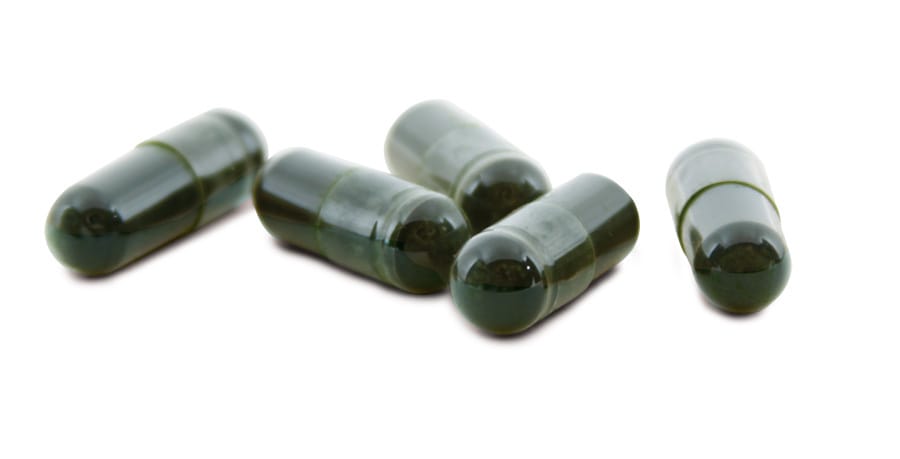
"Spirulina Capsules" by Music4thekids is licensed under CC BY-SA 3.0.
ENGINEERING
New Biotech Method Boosts Vitamin B12 in Spirulina, Offering Sustainable Alternative to Beef
Researchers have developed a method to cultivate Spirulina that produces biologically active vitamin B12, a significant advancement since traditional Spirulina lacks usable B12. Read more.
The Point:
Breakthrough in Vitamin B12 Production with Spirulina: A new study has successfully cultivated Spirulina, a type of blue-green algae that produces biologically active vitamin B12 comparable to the levels found in beef. This marks a significant advancement, as traditional Spirulina lacks a usable form of vitamin B12 for humans.
Environmental and Nutritional Benefits: The study addresses the global vitamin B12 deficiency affecting over a billion people, particularly those who rely on meat and dairy products for this nutrient. The new Spirulina strain offers a sustainable and environmentally friendly alternative, reducing the need for meat consumption while providing a crucial nutrient.
Potential for Large-Scale Production: The researchers used a photobioreactor system to boost B12 production in Spirulina, making it a carbon-neutral product with additional health benefits. The study suggests that by reallocating electricity from heavy industry, countries like Iceland could scale up production to meet the daily B12 needs of millions, offering a promising solution to global vitamin B12 deficiency.
There’s a reason 400,000 professionals read this daily.

Join The AI Report, trusted by 400,000+ professionals at Google, Microsoft, and OpenAI. Get daily insights, tools, and strategies to master practical AI skills that drive results.
ENGINEERING
What is a ‘toroidal propeller’ and could it change the future of drones? An expert explains
Toroidal propellers, featuring a unique ring-shaped design, aim to improve efficiency and reduce noise by minimizing tip vortices, unlike traditional propellers. Read more.
The Point:
Evolving Propeller Designs: Traditional propellers have remained unchanged since 1903, but advancements like toroidal propellers showcase innovative geometries to improve efficiency and reduce noise.
Toroidal Propeller Potential: Featuring a closed-loop structure, toroidal propellers can reduce tip vortices and noise. However, their advantages are condition-specific and remain unquantified compared to well-optimized traditional propellers.
Challenges and Limitations: Toroidal propellers face obstacles in mass production due to their complex geometry, higher costs, and potential issues like increased weight and vibrations, making them unsuitable for universal adoption.
HISTORY
New Study Reveals Secrets of One of Europe’s Largest Megalithic Structures
The Menga dolmen in Spain is an ancient burial mound representing a remarkable engineering feat of the Neolithic period. A team of archaeologists, geologists, and historians used new technology to study the composition of the stones used in the dolmen’s construction and explore the methods of transportation and assembly. Read more.
The Point:
Engineering Marvel of the Neolithic Era: The Menga dolmen, a 5,700-year-old burial mound in Spain, demonstrates remarkable planning and construction skills, using massive stones weighing up to 150 tons.
Advanced Techniques Uncovered: Researchers used petrographic and stratigraphic analysis to reveal the use of fragile calcarenite stones and sophisticated methods such as scaffolds, ropes, and engineered roads for transportation and assembly.
Innovative Design Features: The dolmen's alignment with nearby mountains created light patterns, while interlocked stones diverted water to prevent erosion, showcasing the ingenuity of Neolithic builders.