- The Point by Modern Sciences
- Posts
- AR Glasses, Smell Breakthrough, and Lessons from Logistics for Space Missions
AR Glasses, Smell Breakthrough, and Lessons from Logistics for Space Missions
The Point by Modern Sciences - December 30, 2024

Don Smith
December 30, 2024

By The Modern Sciences Team | December 30, 2024 |
Happy holidays, Cultivators of Curiosity!
Welcome to the 35th edition of The Point by Modern Sciences, packed with innovations that could shape our future. In this volume, we dive into Meta's launch of the world’s most advanced AR glasses and their potential to replace smartphones, the groundbreaking 3D model revealing how we perceive smells, and the complex logistics of managing space missions, with lessons drawn from companies like Amazon and FedEx.
As we approach the new year, this edition looks at technologies that could revolutionize everything from daily interactions to space exploration. Each article provides a glimpse into the future, where advancements in augmented reality, olfactory science, and space logistics promise to transform industries and redefine how we live and work in 2025 and beyond.
Lastly, with the arrival of a new year, the Society of Modern Sciences is excited to continue our shared mission of exploring and understanding the world around us. As we reflect on the past year's accomplishments, we look forward to the many challenges and discoveries that await in 2025. This year brings new opportunities for growth, collaboration, and a continued passion for pursuing knowledge. We wish you a prosperous and fulfilling New Year!
TECH
Meta has launched the world’s ‘most advanced’ glasses. Will they replace smartphones?
Meta introduced Orion, advanced AR glasses with holographic displays and voice commands that could potentially replace smartphones as the primary communication tool. Read more.
The Point:
The Evolution of AR Glasses: Meta’s Orion AR glasses bring together decades of technological advances with miniaturized holographic displays, potentially replacing smartphones in the future.
Consumer Concerns: Key hurdles include addressing physiological and privacy issues, along with creating an ecosystem that supports long-term integration of AR glasses into daily life.
Long-Term Vision: If successful, Meta's Orion could foster broader industry changes, with AR glasses driving enhanced productivity and collaboration by providing hands-free, real-time data access.
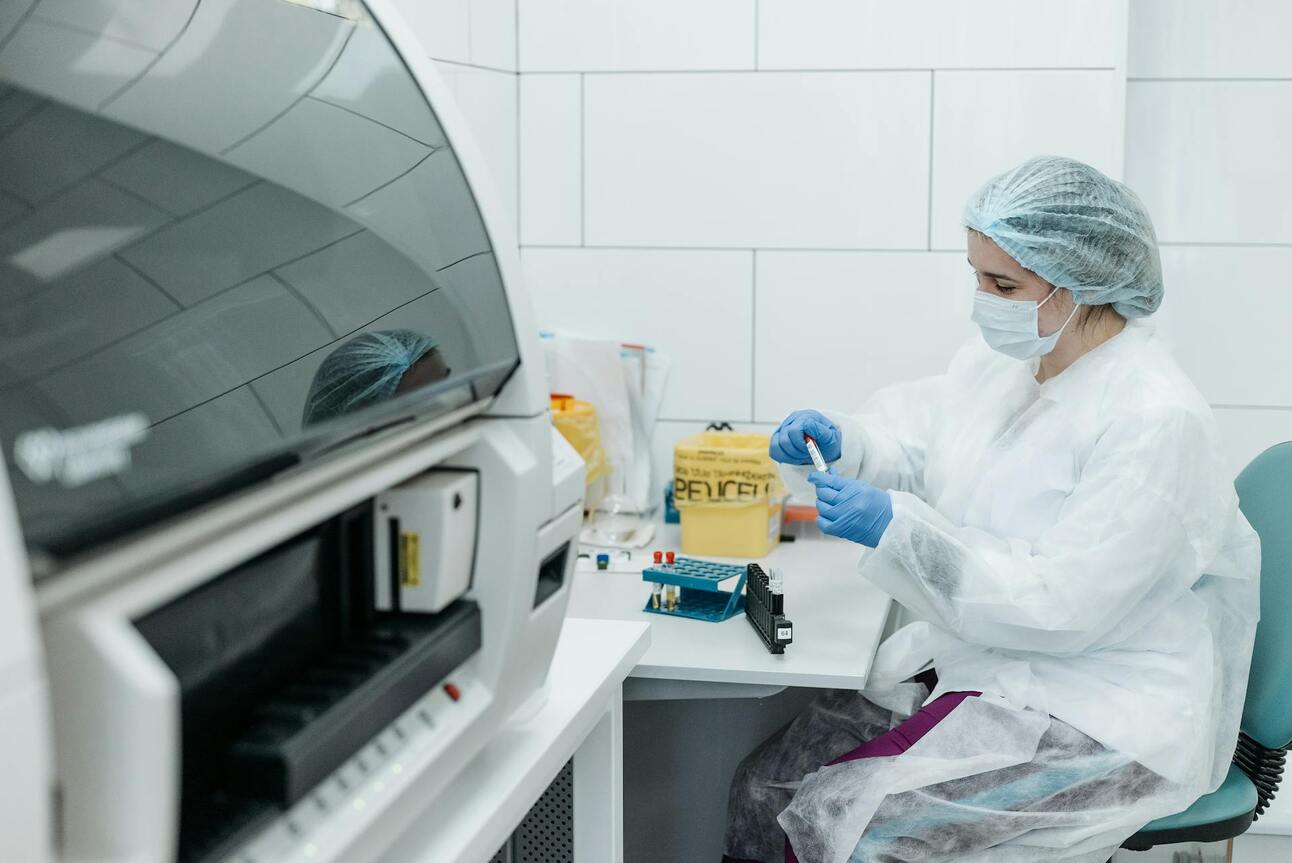
Photo by Pavel Danilyuk: https://www.pexels.com/photo/medical-professional-holding-test-tube-sample-8442543/
LISTS
Transform STEM Teaching in 2025 with Labster Virtual Lab Experiment Books
As we approach the new year, university and college professors in STEM fields are gearing up for another cycle of innovation, learning, and discovery. For educators working in allied disciplines such as biology, genetics, and biochemistry and studying human diseases, staying prepared with practical teaching tools and resources is key to maximizing the opportunities that 2025 will bring. If you're looking for a way to enrich your teaching arsenal with cutting-edge STEM educational tools, the Labster Virtual Lab Experiments book series might be the solution. Read more.
MATH AND THE SCIENCES
First "3D Picture" of How Odor Molecules Activate Human Odorant Receptors Revealed
Researchers created the first 3D model of how an odor molecule activates a human odorant receptor, offering groundbreaking insights into how scents are perceived. Read more.
The Point:
Breakthrough in Olfactory Science: Scientists at UC San Francisco created the first 3D model of how an odor molecule, such as propionate, activates a human odorant receptor, potentially revolutionizing the design of novel scents in fragrance and food science.
Key Insights into Smell Perception: The study revealed how odorant receptors, like OR51E2, bind tightly to specific molecules. This explains how the olfactory system detects and interprets scents, with implications for understanding the interplay between odor molecules and receptors.
Broader Implications: Beyond perfumes and food, this research paves the way for new applications, such as investigating odorant receptors' roles in health conditions like prostate cancer and gut serotonin release, while advancing the science of smell.
SPACE
Space missions are getting more complex − lessons from Amazon and FedEx can inform satellite and spacecraft management in orbit
Space missions are evolving from single, independent spacecraft to multiple satellites working together, like SpaceX’s Starlink, and spacecraft that can engage in repairs or refueling in orbit. Read more.
Noteworthy details:
Shift to Collaborative Space Missions: The space industry is moving towards missions involving multiple satellites, such as SpaceX’s Starlink constellation, and in-orbit services like Northrop Grumman’s mission extension vehicle, which services and extends the life of other satellites.
Adapting Ground Logistics for Space: Space mission design can benefit from lessons learned in ground logistics, such as route planning and infrastructure development, which are crucial for managing complex operations involving multiple spacecraft. Concepts like spatial queuing theory and inventory management used by companies like Amazon can inform how space missions handle repairs, refueling, and spare satellites.
Need for Space Operation Rules: As space becomes more crowded with satellites, there is a growing need for standardized rules and technologies to manage space traffic, similar to the regulations that govern ships, aircraft, and ground vehicles. Researchers are exploring potential frameworks for these rules to ensure safe and efficient space operations.