- The Point by Modern Sciences
- Posts
- Masada Siege Rewritten, Greenland’s Tundra Past, and Starliner’s Spaceflight Challenges
Masada Siege Rewritten, Greenland’s Tundra Past, and Starliner’s Spaceflight Challenges
The Point by Modern Sciences - December 18, 2024 (A)

Don Smith
December 18, 2024
In partnership with


By The Modern Sciences Team | December 18, 2024 |
Good day, Cultivators of Curiosity!
Welcome to the 33rd edition of The Point by Modern Sciences, where we uncover surprising new insights into history, climate science, and the future of space exploration. In this volume, we challenge long-held beliefs about the Roman siege of Masada, reveal the ancient history of Greenland’s ice sheet, and examine the latest setbacks and lessons from Boeing’s Starliner mission.
This issue offers fresh perspectives on pivotal historical events, critical climate developments, and the evolving landscape of commercial spaceflight. Each article highlights how new technologies and research reshape our understanding of the world, providing essential knowledge for anyone interested in the forces shaping our past and future.
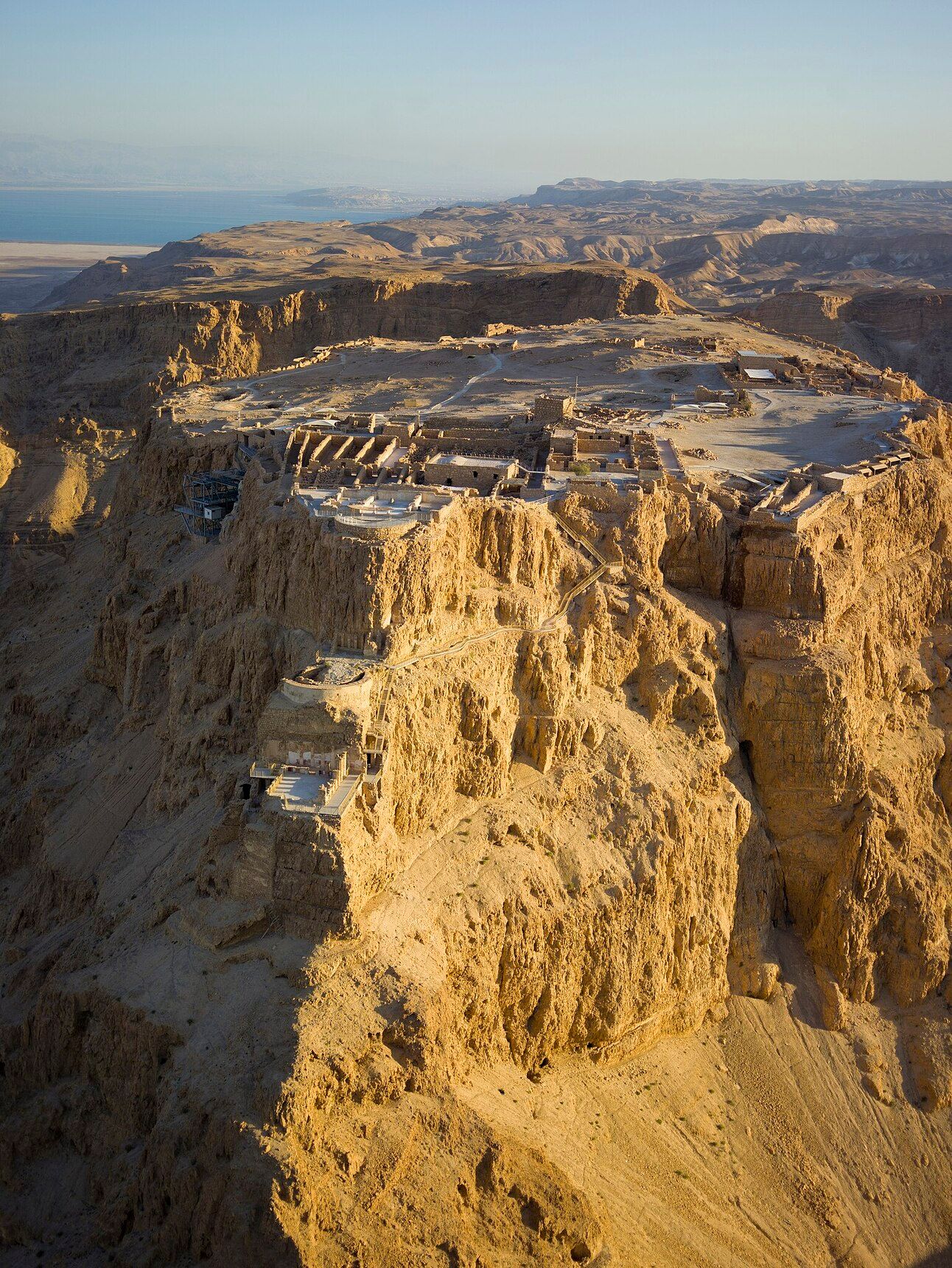
"Israel-2013-Aerial 21-Masada" by Godot13 is licensed under CC BY-SA 4.0.
HISTORY
New Study Reveals Roman Siege of Masada Lasted Just Weeks, Not Years
Researchers used modern technology, including drones and 3D modeling, to reexamine the Roman siege of Masada, challenging the long-held belief that it lasted three years. Read more.
Principal observations:
Reevaluation of the Roman siege of Masada: Researchers, using drones, remote sensing, and 3D modeling, have challenged the long-standing belief that the Roman siege of Masada lasted three years, revealing instead that it lasted only a few weeks.
Advanced technology provides new insights: The team analyzed the Roman siege system at Masada, using high-resolution data to model the construction of walls and camps. They determined that Roman soldiers built the siege infrastructure in just two weeks.
Implications for historical understanding: This study suggests a swifter Roman attack than previously thought and raises new questions about the Romans' significant effort in capturing Masada. It highlights the value of modern technology in reassessing historical events.
Start learning AI in 2025

Everyone talks about AI, but no one has the time to learn it. So, we found the easiest way to learn AI in as little time as possible: The Rundown AI.
It's a free AI newsletter that keeps you up-to-date on the latest AI news, and teaches you how to apply it in just 5 minutes a day.
Plus, complete the quiz after signing up and they’ll recommend the best AI tools, guides, and courses – tailored to your needs.
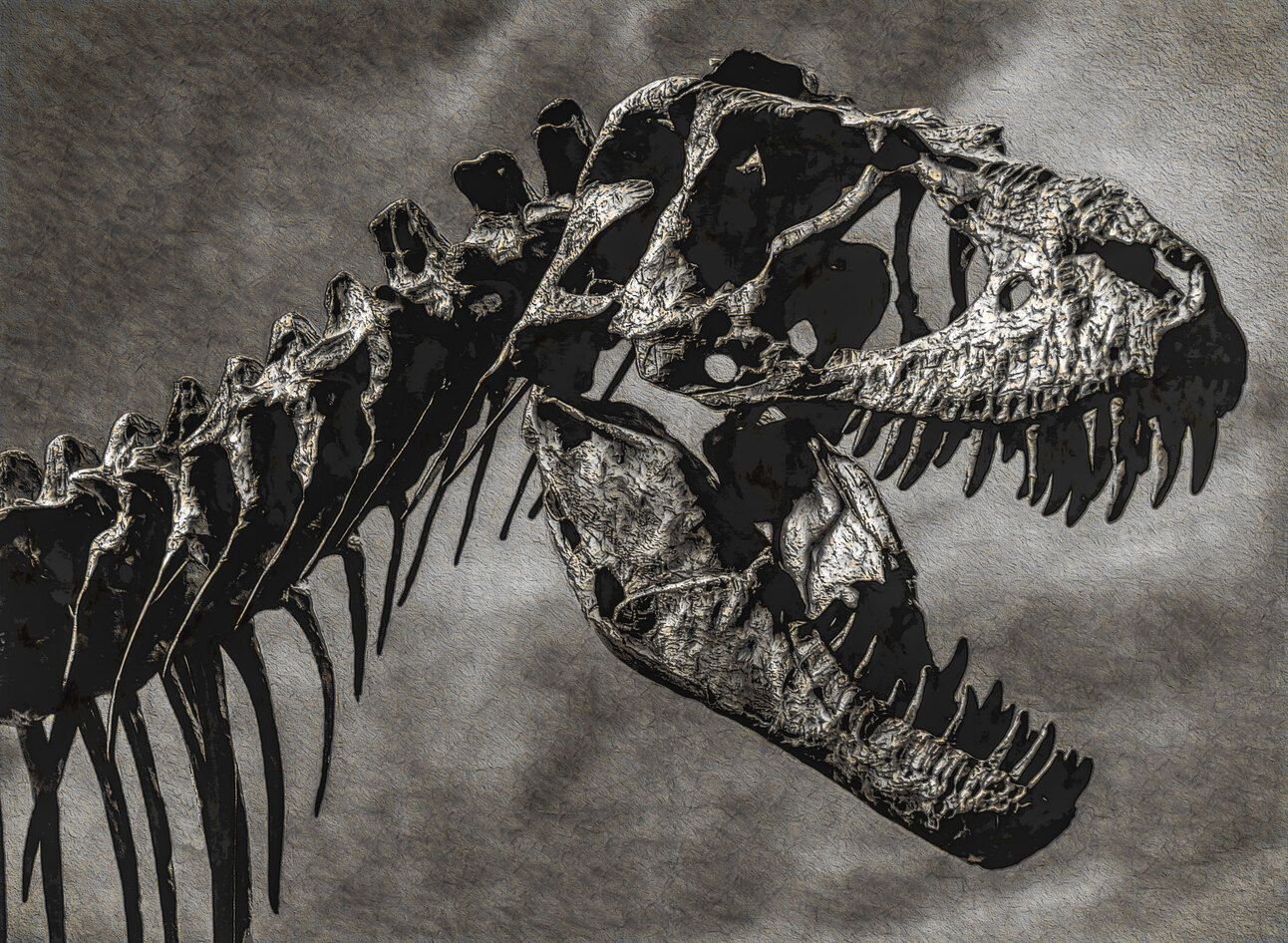
"T-rex skull and neck bones" by FotoGrazio is licensed under CC BY-NC-ND 2.0.
LISTS
Best Dinosaur Books for the Holidays: Perfect Reading for Dino Enthusiasts
Dinosaurs continue to captivate our imaginations, even millions of years after their extinction. This holiday season, immerse yourself or your loved ones in the fascinating world of these prehistoric giants with these expertly curated books. Perfect for dinosaur enthusiasts of all ages, these titles blend science, storytelling, and stunning visuals to create unforgettable reading experiences. Read more.
EARTH
Greenland Ice Sheet Once Supported Tundra Ecosystem, New Study Reveals
Greenland's ice sheet, previously believed stable for millions of years, once melted significantly, transforming its center into a lush tundra landscape. Read more.
The Point:
Revealing Greenland’s Past: A recent study found that Greenland’s ice sheet, once thought to be stable, melted significantly in the past, transforming even its central region into a lush tundra landscape, based on plant and insect remains discovered in a 30-year-old ice core sample.
Climate Vulnerability: The study highlights the ice sheet’s susceptibility to climate change. It suggests that Greenland’s ice could melt more rapidly than previously believed, potentially leading to significant sea-level rise.
Global Implications: The findings emphasize the critical need to combat climate change. The melting of Greenland’s ice sheet could cause dramatic sea-level rise, threatening coastal cities worldwide and underscoring the importance of reducing greenhouse gas emissions.
SPACE
Stranded Boeing Starliner astronauts to stay six more months in space – what this means for the future of commercial spaceflight
The Boeing-built Starliner spacecraft carried astronauts to the ISS for the first time, marking the second commercial spacecraft to do so after SpaceX’s Crew Dragon. Read more.
Top insights:
Boeing's Starliner Mission Challenges: After successfully delivering astronauts to the ISS for the first time, Boeing's Starliner spacecraft faced significant technical issues, including helium leaks and malfunctioning thrusters. These issues led NASA to delay the astronauts' return, prioritizing their safety.
SpaceX's Competitive Advantage: SpaceX has outpaced Boeing in the commercial spaceflight sector, completing multiple successful crew and cargo missions to the ISS and developing reusable rocket technology that reduces launch costs. Boeing's Starliner program has faced delays and technical setbacks.
NASA's Cautious Approach: NASA's decision to keep astronauts Sunita Williams and Barry Wilmore on the ISS and plan their return on SpaceX's Crew Dragon instead of Starliner highlights the agency's commitment to safety and the collaborative nature of modern commercial spaceflight, ensuring confidence in the private space industry.