- The Point by Modern Sciences
- Posts
- Space Risks, Solar Wind Insights, and Cooling Lessons from the Ancients
Space Risks, Solar Wind Insights, and Cooling Lessons from the Ancients
The Point by Modern Sciences - December 4, 2024 (A)

Don Smith
December 04, 2024

By The Modern Sciences Team | December 4, 2024 |
Dear all Cultivators of Curiosity,
Welcome to the 31st edition of The Point by Modern Sciences, where we take a deep dive into cutting-edge advancements and lessons from both the past and the future. This edition covers the increasing risks of private space travel, groundbreaking discoveries about solar wind acceleration, and ancient techniques for cooling homes in arid environments—each shedding light on how science is transforming our world and pushing boundaries.
In this issue, we examine how SpaceX’s Polaris Dawn mission is redefining the limits of civilian space travel, explore new findings that reveal the hidden forces behind the solar wind, and revisit timeless lessons from ancient civilizations that could help us adapt to modern environmental challenges. These articles offer valuable perspectives on the intersections of innovation, history, and our planet’s future—making this edition essential for anyone interested in how science continues to shape our daily lives.
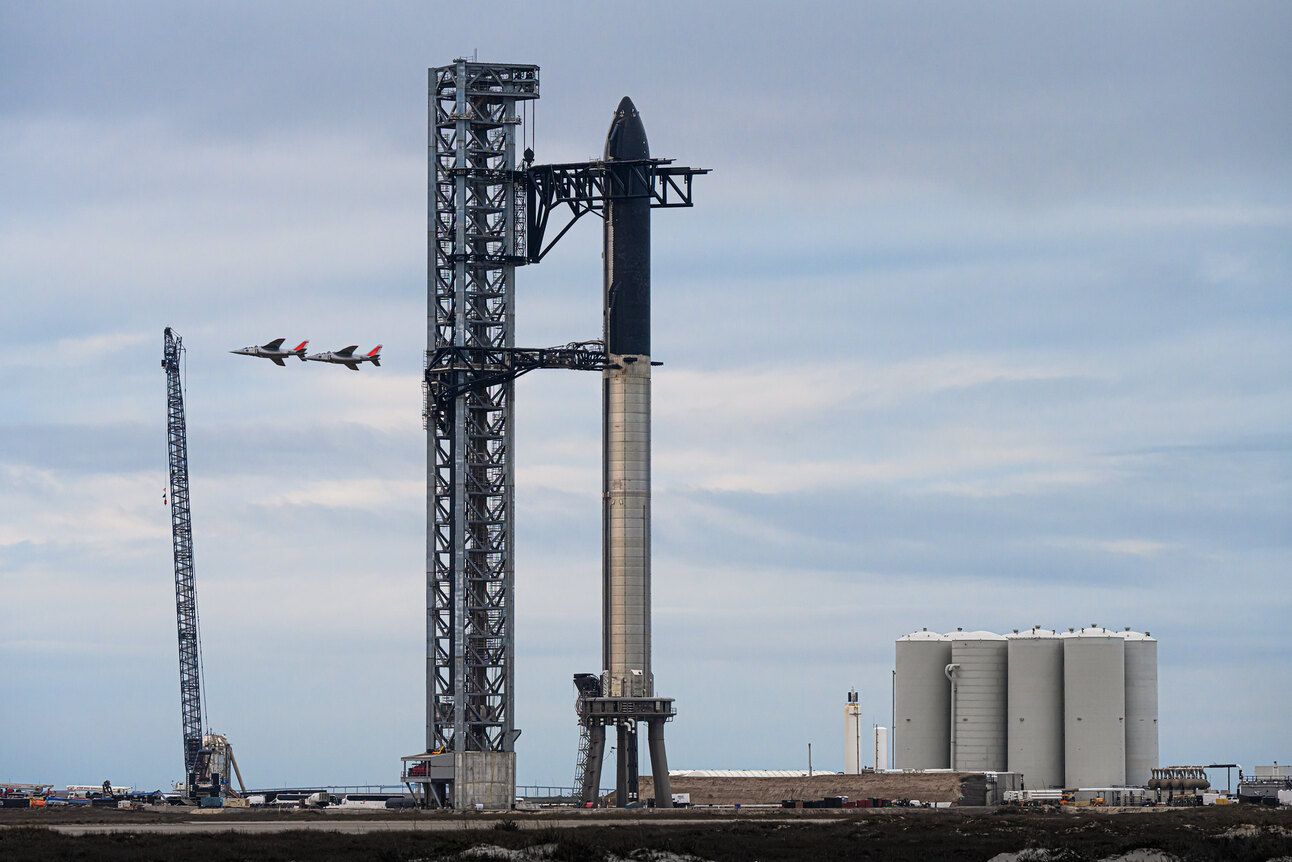
"Starbase flyover with Polaris Dawn crew" by Polaris Program Photos is licensed under CC BY-NC-ND 2.0.
SPACE
Space travel comes with risk − and SpaceX’s Polaris Dawn mission will push the envelope further than any private mission has before
Space travel remains dangerous, with a fatality rate of 3%, higher than extreme sports. As the commercial space industry grows, accidents are expected. Despite this, the era of civilian spaceflight has begun, with companies like SpaceX and Blue Origin offering rides, though safety remains a significant concern. Read more.
Major insights:
High Risk in Space Travel: Space travel remains dangerous, with a 3% fatality rate for astronauts. Civilian space missions, like Polaris Dawn, increase risks by involving untested equipment, spacewalks, and radiation exposure, significantly as more private companies, such as SpaceX and Blue Origin, expand their operations.
Civilian Space Travel: The 2020s have seen a rise in civilian astronauts, with missions like Inspiration 4, though risks remain, as seen in accidents like the 2014 Virgin Galactic crash. Companies like SpaceX and Blue Origin aim to make space travel accessible, but the cost is prohibitive to most.
Future of Space Tourism: The space tourism industry is expected to grow from $750 million in 2023 to $5.2 billion in the next decade. For broader accessibility, space travel must become significantly safer, akin to the advancements made in the aviation industry over the last century.

There’s a reason 400,000 professionals read this daily.
Join The AI Report, trusted by 400,000+ professionals at Google, Microsoft, and OpenAI. Get daily insights, tools, and strategies to master practical AI skills that drive results.
SPACE
2 solar probes are helping researchers understand what phenomenon powers the solar wind
The solar wind, a plasma flowing from the Sun, reaches high speeds, but until recently, the energy source behind its acceleration was still being determined. Read more.
Crucial takeaways:
Solar Wind Acceleration Mystery Solved: Researchers have discovered that magnetic switchbacks, detected by NASA's Parker Solar Probe near the Sun, contain enough energy to heat and accelerate the solar wind, solving a long-standing mystery about how the solar wind reaches such high speeds.
Role of Alfvén Waves: Alfvén waves, which are plasma waves that transport energy, were found to be abundant in the solar wind near the Sun. As the solar wind moves away from the Sun, the energy from these waves is transferred into heating and accelerating the plasma, as confirmed by measurements from both the Parker Solar Probe and the Solar Orbiter.
Implications for Stellar Physics: This discovery enhances our understanding of the Sun's influence on Earth and provides insights into the behavior of stellar winds in other star systems, which could have broader implications for understanding the habitability of exoplanets.
HISTORY
5 lessons from ancient civilizations for keeping homes cool in hot, dry climates
Civilizations like the Sumerians, Egyptians, and Puebloans used materials like adobe, stone, and mud brick alongside strategic building designs to naturally manage heat and stay cool in hot, dry climates without modern air conditioning. Read more.
Key notes:
Ancient Cooling Techniques: Civilizations like the Sumerians, Egyptians, Puebloans, and Muslim caliphates developed innovative architectural and urban planning strategies to keep buildings cool in hot, dry climates. These included using thick walls, small windows, shaded courtyards, wind catchers, and strategic solar orientation to minimize heat exposure.
Water Management: Ancient societies, such as those in the Muslim caliphates and Mesoamerican cities, designed rainwater harvesting systems to capture and store water for irrigation and future use. This approach ensured sustainable water use in arid environments and is still relevant in modern urban planning.
Modern Application: Today, Architects and urban planners can learn from these ancient techniques to design buildings and cities better adapted to hotter and drier climates, reducing reliance on air conditioning and enhancing urban resilience. This includes strategies like orienting buildings for optimal solar exposure, incorporating shading, and implementing rainwater harvesting systems.