- The Point by Modern Sciences
- Posts
- Brightening Skies, Lunar Volcanoes, and Lessons from a Dried Mediterranean
Brightening Skies, Lunar Volcanoes, and Lessons from a Dried Mediterranean
The Point by Modern Sciences - November 25, 2024 (A)

Don Smith
November 25, 2024

By The Modern Sciences Team | November 25, 2024 |
Dear all Cultivators of Curiosity,
Welcome to the 29th edition of The Point by Modern Sciences, where we bring you the latest discoveries shaping our understanding of the universe and our planet. In this edition, we explore the growing space industry in New Zealand and its environmental implications, a groundbreaking revelation of recent volcanic activity on the Moon, and the stark lessons drawn from a 5.5 million-year-old crisis in the Mediterranean.
This issue examines how satellite launches contribute to light pollution, which threatens cultural heritage and scientific research, and how our understanding of the Moon’s geological activity is evolving thanks to new lunar samples. We also delve into the Mediterranean’s ancient desiccation, offering vital lessons about environmental resilience that are all too relevant today. Each article invites you to reconsider how these discoveries intersect with both present and future challenges in science and society.
EARTH
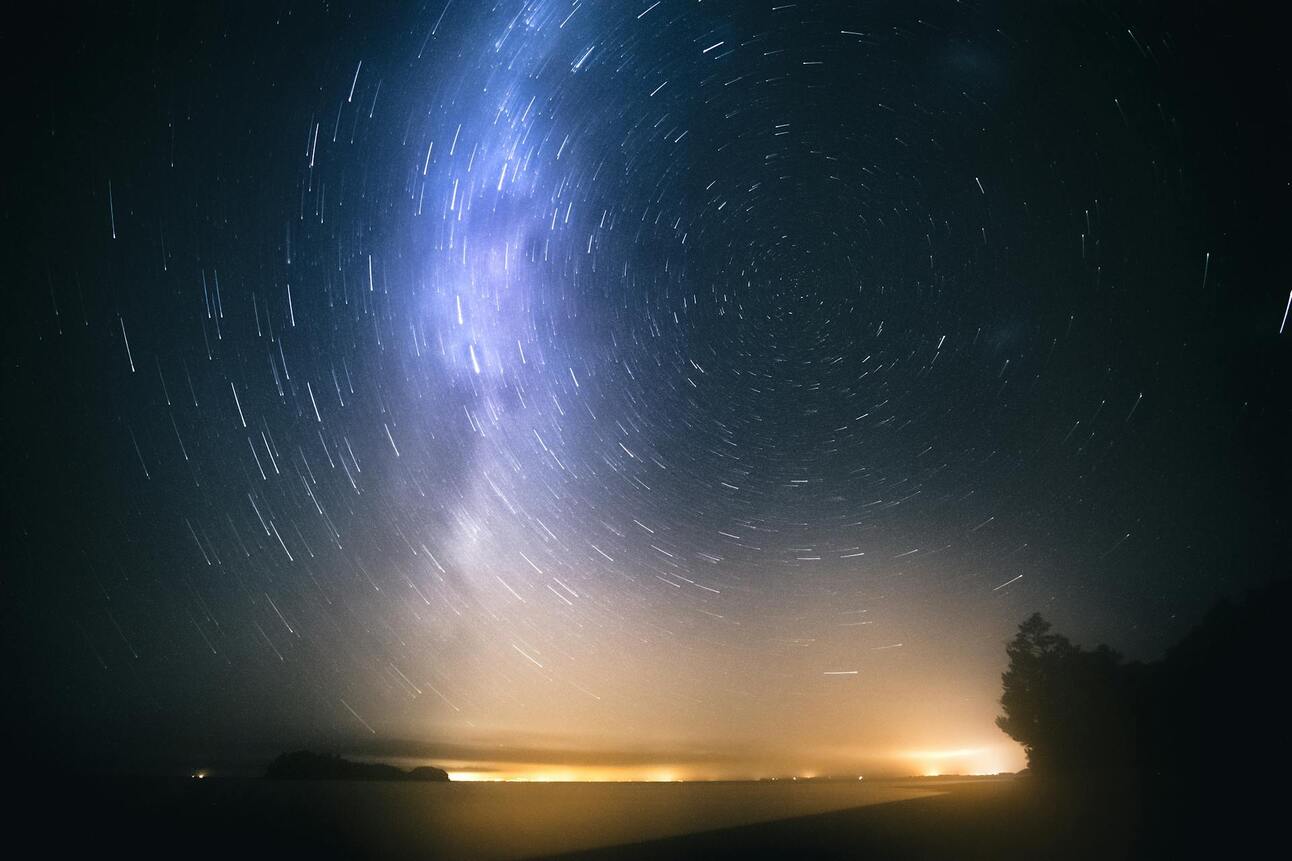
Satellites are making the night sky brighter – as a launch site, NZ has a duty to combat light pollution
New Zealand's space industry has rapidly developed since 2017. Its revenue contribution is NZ$1.7 billion, and it plans to grow to $10 billion by 2030, driven primarily by commercial activities. Read more.
Major insights:
New Zealand's Expanding Space Sector and Regulatory Challenges: New Zealand's rapidly growing space industry, primarily driven by Rocket Lab's launches, has led to the development of a regulatory system that must address emerging challenges, including the regulation of satellite technologies and their environmental impacts, particularly light pollution.
Impact of Light Pollution on Indigenous Knowledge and Astronomy: The increase in light pollution due to satellite launches is a significant concern for New Zealand, particularly for Māori and other Indigenous communities whose cultural practices and knowledge systems rely on clear, unaided views of the night sky, as well as for the country's astronomical observatories and dark sky sites.
Balancing Economic Growth with Environmental Responsibility: As New Zealand continues to attract space industry investments, it faces the challenge of balancing economic benefits with the need to regulate and mitigate light pollution. This includes ensuring Indigenous perspectives are integrated into policy decisions to protect cultural heritage and environmental health.

There’s a reason 400,000 professionals read this daily.
Join The AI Report, trusted by 400,000+ professionals at Google, Microsoft, and OpenAI. Get daily insights, tools, and strategies to master practical AI skills that drive results.
LISTS
Voices for a Warming World: Essential Reads on Climate Change
In a world grappling with intensifying environmental crises, understanding the science and solutions behind climate change has never been more urgent. The global challenge of rising temperatures, extreme weather, and ecological disruptions demands a deeper exploration of the problems and the pathways to sustainable solutions. With the proper knowledge, individuals can empower themselves to take meaningful action in their communities and beyond. Read more.
SPACE
The Moon had surprisingly recent volcanic activity, samples from Chinese space mission confirm
Recent findings from China's Chang'e 5 mission suggest volcanic activity on the Moon occurred as recently as 120 million years ago, much later than the previously believed two billion-year cutoff. Read more.
Summary insights:
Recent lunar volcanic activity: New evidence from China’s Chang'e 5 spacecraft suggests that volcanic activity on the Moon occurred as recently as 120 million years ago, challenging the previous belief that lunar volcanism ended 2 billion years ago.
Discovery of volcanic droplets: Researchers found three volcanic glass droplets among the samples returned by Chang'e 5, marking the first physical evidence of more recent volcanic activity, likely due to localized concentrations of heat-producing radioactive elements.
A revised understanding of the Moon’s history: This discovery may prompt a revision of the Moon's volcanic history, suggesting that some regions of the Moon's interior could have remained volcanically active much longer than previously thought.
EARTH
5.5 million years ago the Mediterranean dried out, with sobering lessons for humanity today – new research
The Mediterranean Sea dried up naturally during the Messinian salinity crisis 5.5 million years ago, turning into a giant salt lake, leading to significant marine life extinctions. Read more.
T
Summary points:
The Messinian Salinity Crisis and Its Impact: Around 5.5 million years ago, the Mediterranean Sea was cut off from the Atlantic Ocean due to tectonic shifts. This caused its waters to evaporate and create a vast salt desert, which resulted in the extinction of most native marine life in the region.
Slow Recovery and Recolonization: After the Mediterranean reconnected with the Atlantic, the ecosystem took over 1.7 million years to recover. The region was recolonized primarily by Atlantic species, replacing the extinct native species, leading to the biodiversity we see today.
Lessons on Mass Extinction: The study highlights the catastrophic effects of environmental isolation and the slow recovery process, providing insights into how ecosystems respond to mass extinction events. It also cautions against relying on geoengineering projects to counteract environmental changes, as natural recovery from such events can take millions of years.