- The Point by Modern Sciences
- Posts
- Southern Ocean’s Power, Transitional Fossils' Secrets, and Why Glass is Transparent
Southern Ocean’s Power, Transitional Fossils' Secrets, and Why Glass is Transparent
The Point by Modern Sciences - November 6, 2024

Don Smith
November 06, 2024
In partnership with


By The Modern Sciences Team | November 6, 2024 |
Hello Cultivators of Curiosity,
Welcome to the 26th edition of The Point by Modern Sciences! In this volume, we journey through the incredible power of Earth's natural systems, uncover the fascinating evidence of evolution, and explore the everyday wonder of glass transparency.
First, discover why the Southern Ocean is called a global "engine room"—a force that drives climate regulation and ocean circulation yet remains largely under-observed and increasingly threatened by warming temperatures. Next, dive into the world of transitional fossils that bridge the evolutionary gaps between species, offering a clearer picture of the branching nature of life's history. Finally, unravel the science behind why glass windows are transparent, learning how light interacts with the unique structure of glass to give us a material that protects and reveals.
These stories illuminate the surprising connections between nature, science, and the materials we take for granted, highlighting the intricate workings of our planet and beyond.
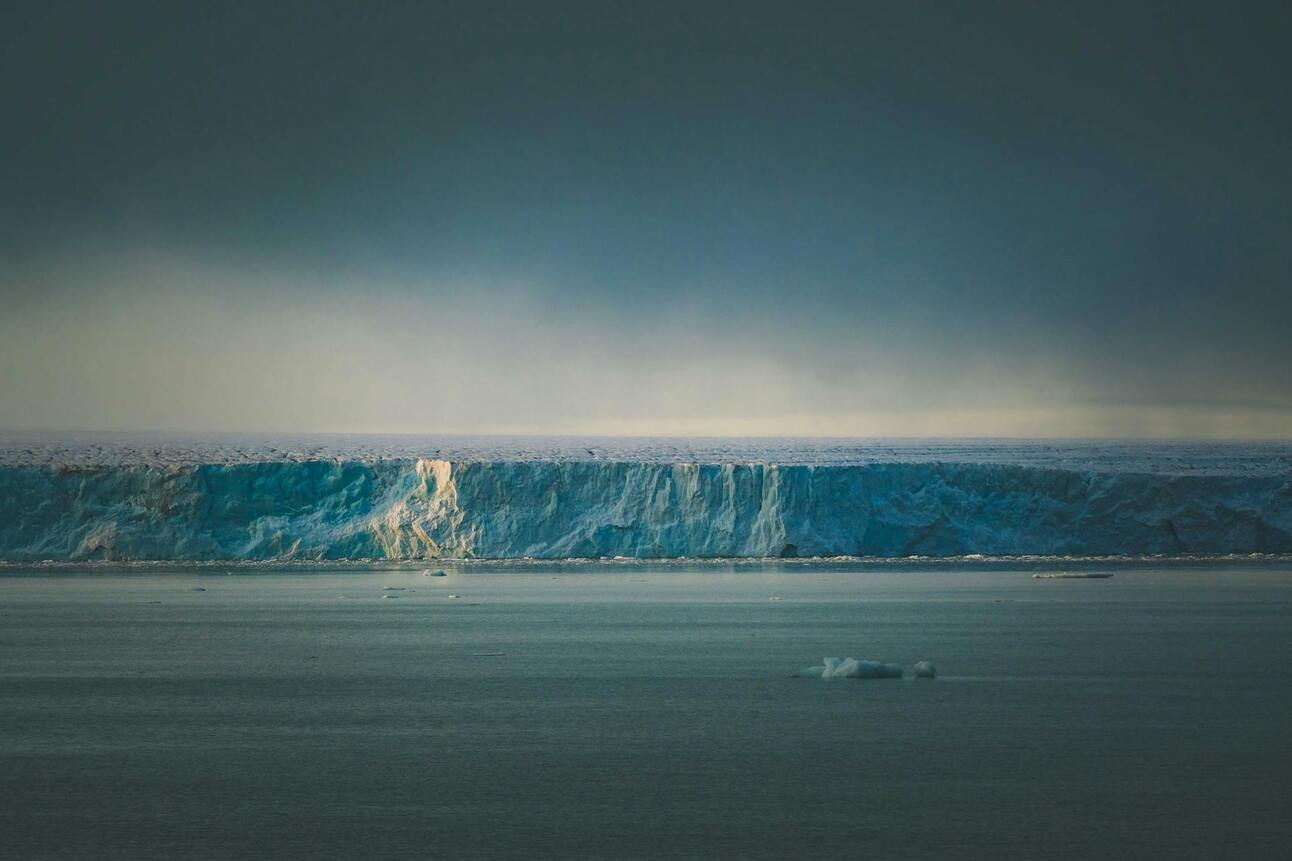
Giant waves, monster winds and Earth’s strongest current: here’s why the Southern Ocean is a global engine room
The Southern Ocean plays a critical role in Earth's climate system, storing heat and carbon and affecting the Antarctic ice sheet and global sea levels. Read more.
Primary insights:
Significance of the Southern Ocean: The Southern Ocean, with its extreme weather and city-sized icebergs, plays a crucial role in Earth's natural systems by forming dense water that fills deep oceans, storing heat and carbon from global warming, and regulating heat flow to Antarctica's ice sheet, which is a critical factor in global sea-level rise.
Current Threats and Climate Impact: Warming temperatures threaten the Antarctic Ice Sheet and surrounding sea ice, leading to increased ice melt and a decline in sea ice. This affects dense water formation, essential for global ocean circulation and carbon storage, and poses a risk of exacerbating global warming.
Need for Research and Collaboration: Due to the Southern Ocean's remote and hostile conditions, data is sparse, making it difficult to monitor changes accurately. Enhanced national and international collaboration, along with investment in cost-effective observing systems, is crucial to improving understanding, predicting climate change, and providing early warnings of significant climate events.
Stay up-to-date with AI

The Rundown is the most trusted AI newsletter in the world, with 1,000,000+ readers and exclusive interviews with AI leaders like Mark Zuckerberg, Demis Hassibis, Mustafa Suleyman, and more.
Their expert research team spends all day learning what’s new in AI and talking with industry experts, then distills the most important developments into one free email every morning.
Plus, complete the quiz after signing up and they’ll recommend the best AI tools, guides, and courses – tailored to your needs.
LISTS
10 Essential Items to Elevate Your Stargazing Experience
Stargazing offers a window into the vast wonders of the universe, turning a clear night into a gateway for exploring celestial mysteries. Whether you're looking at craters on the moon, admiring the faint glow of the Andromeda Galaxy, or tracing seasonal constellations, the experience is enriching. Having the right equipment can make all the difference for those interested in getting the most out of their time under the stars. The following essentials will enhance your night-sky observations, turning a simple stargazing session into an immersive cosmic journey. Read more.
NATURE
Bridging the Gap: A Look at Transitional Fossils
Examples like Archaeopteryx, Australopithecus afarensis, Pakicetids, Tiktaalik, and Runcaria highlight significant evolutionary transitions between species groups. Read more.
The point:
Transitional Fossils as Evolutionary Links: Transitional fossils provide crucial evidence of evolutionary changes, bridging the gap between ancestral species and their descendants and showcasing characteristics shared by both groups, much like a "grey area" between different cities.
Notable Transitional Fossils: Famous examples of transitional fossils include Archaeopteryx, which links non-avian dinosaurs to birds; Australopithecus afarensis as an early hominin species; and Tiktaalik, a fish with features similar to four-legged land animals, illustrating the evolution from aquatic to terrestrial life.
Evolution as a Branching Process: Transitional fossils help us understand evolution as a complex branching process, not a straight line. These fossils are not always direct ancestors of modern species but rather share features with their common ancestors, emphasizing the non-linear nature of evolutionary history.
MATH AND THE SCIENCES
Why Are Glass Windows Transparent?
Glass is made from silicon dioxide (SiO2), the same material found in beach sand, but it becomes transparent due to a rapid cooling process that prevents crystal formation, creating amorphous silica. Read more.
The point:
Glass Composition and Structure: Glass is made from silica (SiO2), the same material found in beach sand. When rapidly cooled from their molten form, silica molecules do not form a crystal structure, resulting in an amorphous glass material.
Interaction with Light: When light hits a solid like glass, its photons can be absorbed, reflected, or transmitted. In glass, the energy of visible light photons isn't enough to move the electrons, so the photons pass through, making the material transparent.
Transparency to Visible Light: Glass appears transparent because visible light passes through without being absorbed by its atoms. However, glass can be opaque to other forms of light, like ultraviolet light, which interacts differently with the electrons in the material.