- The Point by Modern Sciences
- Posts
- Climate-Driven Tornado Risks, AI for Cleaner Air, and Growing Human-Wildlife Overlap
Climate-Driven Tornado Risks, AI for Cleaner Air, and Growing Human-Wildlife Overlap
The Point by Modern Sciences - October 23, 2024

Don Smith
October 23, 2024
In partnership with

By The Modern Sciences Team | October 23, 2024 |
Hello Cultivators of Curiosity,
Welcome to the 24th edition of The Point by Modern Sciences, where we delve into the increasingly complex interactions between climate, technology, and the natural world.
First, we examine how rising global temperatures could lead to more frequent tornadoes and waterspouts, raising new challenges in predicting and mitigating these potentially deadly phenomena. Next, we explore an innovative air quality monitoring system developed in South Africa, which leverages AI and IoT to track pollution hotspots in real time, offering a more affordable way to tackle a growing environmental issue. Finally, we consider the implications of expanding human-wildlife overlap as people and animals are pushed closer together by population growth and habitat changes, underscoring the need for thoughtful management to ensure coexistence.
Each story offers insights into how our changing environment shapes technology and how we interact with the natural world.
EARTH
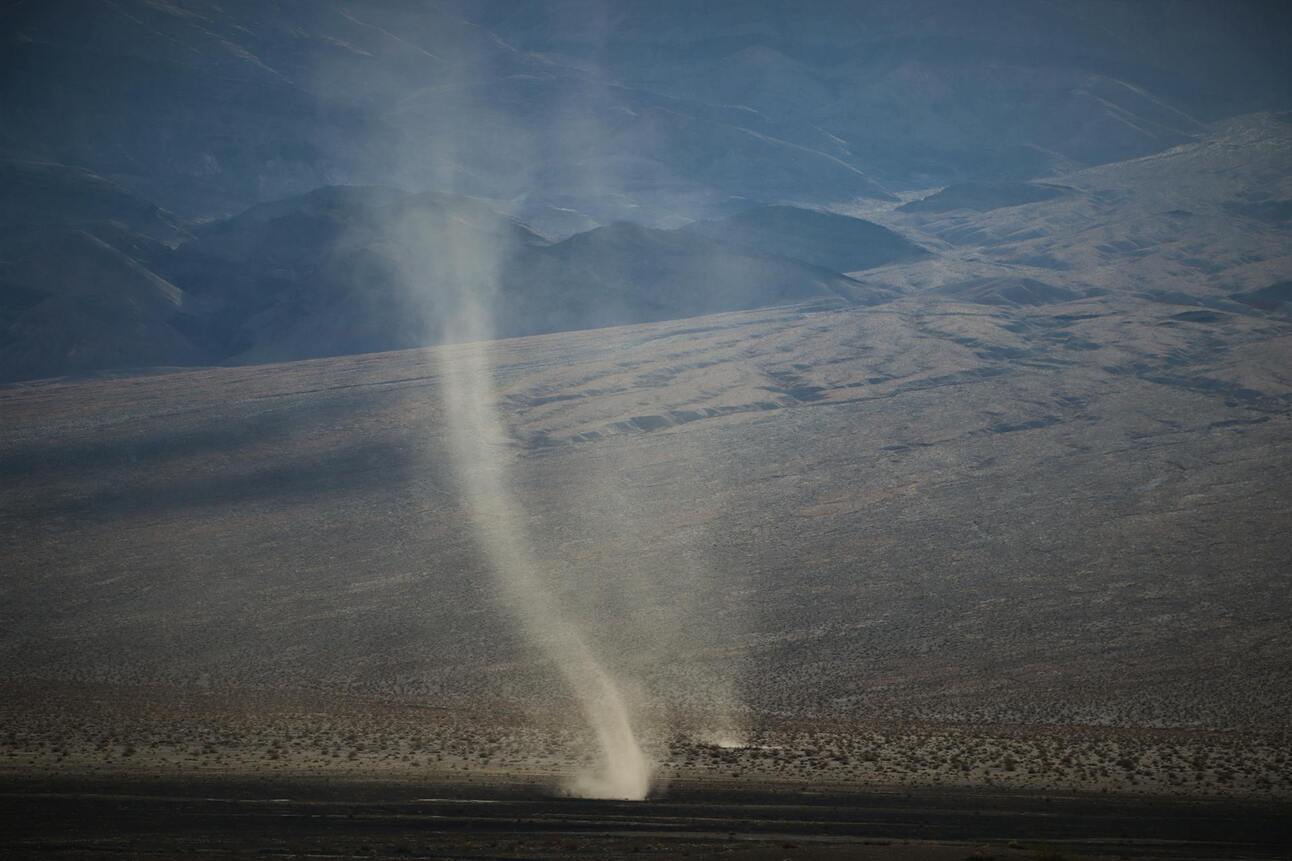
Will tornadoes and waterspouts thrive as Earth heats up?
Hot waters off the coast of Sicily contributed to the formation of a waterspout that sank a superyacht, leading to fatalities. Waterspouts are similar to tornadoes but form over water. Read more.
Critical information:
Impact of Warm Waters on Waterspout Formation: Hot sea surface temperatures off the coast of Sicily contributed to the formation of a deadly waterspout that sank a superyacht, highlighting the potential for increased waterspouts in regions like the southern Mediterranean due to climate change.
Challenges in Predicting Tornadoes and Waterspouts: While climate models can predict favorable conditions for tornadoes and waterspouts, the actual formation of these phenomena still needs to be determined. However, rising sea temperatures and more frequent marine heatwaves suggest a likely increase in these events.
Evolving Tornado Patterns and Risks: Tornado-prone regions in the US may experience a shift in tornado activity towards more densely populated areas, increasing the potential for damage and fatalities, even as advancements in science and technology help to mitigate the death toll.
There’s a reason 400,000 professionals read this daily.

Join The AI Report, trusted by 400,000+ professionals at Google, Microsoft, and OpenAI. Get daily insights, tools, and strategies to master practical AI skills that drive results.
LISTS
10 Essential Items to Elevate Your Stargazing Experience
Stargazing offers a window into the vast wonders of the universe, turning a clear night into a gateway for exploring celestial mysteries. Whether you're looking at craters on the moon, admiring the faint glow of the Andromeda Galaxy, or tracing seasonal constellations, the experience is enriching. Having the right equipment can make all the difference for those interested in getting the most out of their time under the stars. The following essentials will enhance your night-sky observations, turning a simple stargazing session into an immersive cosmic journey. Read more.
TECH
Air pollution in South Africa: affordable new devices use AI to monitor hotspots in real time
Air quality has become a critical public health issue in Africa, with poor air quality causing more deaths globally each year than HIV, TB, and malaria combined and reducing productivity. Read more.
Important details:
Development of Ai_r Air Quality Monitoring System in South Africa: A team of scientists from the South African Consortium of Air Quality Monitoring has developed a cost-effective air quality monitoring system called Ai_r, utilizing sensors, Internet of Things (IoT), and artificial intelligence (AI) to monitor and predict air quality across the country.
Impact and Deployment of Ai_r System: The Ai_r system, consisting of small, affordable devices that measure particulate matter 2.5, has already been rolled out in Johannesburg, including Soweto and Braamfontein, with plans to expand significantly. The data collected is integrated into the official South African air quality system, SAAQIS, and shared publicly to help target and mitigate pollution in affected areas.
Significance of AI in Air Quality Monitoring: AI plays a crucial role in analyzing the vast amounts of data generated by the Ai_r system, allowing for real-time air quality predictions and identification of pollution hotspots. This technology enables more efficient and targeted responses to improve public health by addressing air pollution in high-risk areas.
NATURE
As human population grows, people and wildlife will share more living spaces around the world
By 2070, over half of the world's lands will see increased human-wildlife overlap due to rising human populations and climate-induced shifts in animal ranges. Read more.
Primary insights:
Increase in Human-Wildlife Overlap: Due to human population growth, more than half of all global lands are projected to experience increased human-wildlife overlap by 2070. This overlap will rise sharply in forests, agricultural regions, and urban areas as people move into these spaces and animals shift their ranges in response to climate change.
Regional Variations and Implications: Africa and South America are expected to see the most significant increases in human-wildlife overlap, with Africa at 70.6% and South America at 66.5%. In contrast, Europe will experience the most significant decrease in overlap. These changes could lead to conflicts and benefits, such as increased competition for space and disease spread, improved mental health, and natural pest control.
Need for Effective Management: The study highlights the necessity of managing human-wildlife interactions to minimize negative impacts and maximize benefits. This management is crucial for achieving the goals of the Global Biodiversity Framework. Future research and conservation efforts should focus on local studies, habitat corridors, and rewilding efforts, emphasizing engaging local communities in wildlife conservation strategies.