- The Point by Modern Sciences
- Posts
- Celebrating Nobel Laureates: Neural Networks, Protein Research, and Gene Regulation
Celebrating Nobel Laureates: Neural Networks, Protein Research, and Gene Regulation
The Point by Modern Sciences - October 15, 2024

Don Smith
October 15, 2024
In partnership with

By The Modern Sciences Team | October 15, 2024 |
Hello Cultivators of Curiosity,
Welcome to the 23rd edition of The Point by Modern Sciences, where we highlight groundbreaking scientific achievements recognized at the highest level. This volume celebrates the Nobel Prize winners across physics, chemistry, and medicine, whose pioneering work reshapes our understanding of the natural world and technology.
First, we honor the physicists who developed artificial neural networks, whose contributions laid the foundation for modern AI. Next, we delve into the innovations in protein research that earned this year’s Chemistry Prize, revolutionizing fields from pharmaceuticals to biotechnology. Finally, we explore the Nobel-winning discovery of microRNA in medicine, which has transformed our knowledge of gene regulation and its role in diseases.
These achievements demonstrate the profound impact of scientific inquiry on global challenges and future innovations.
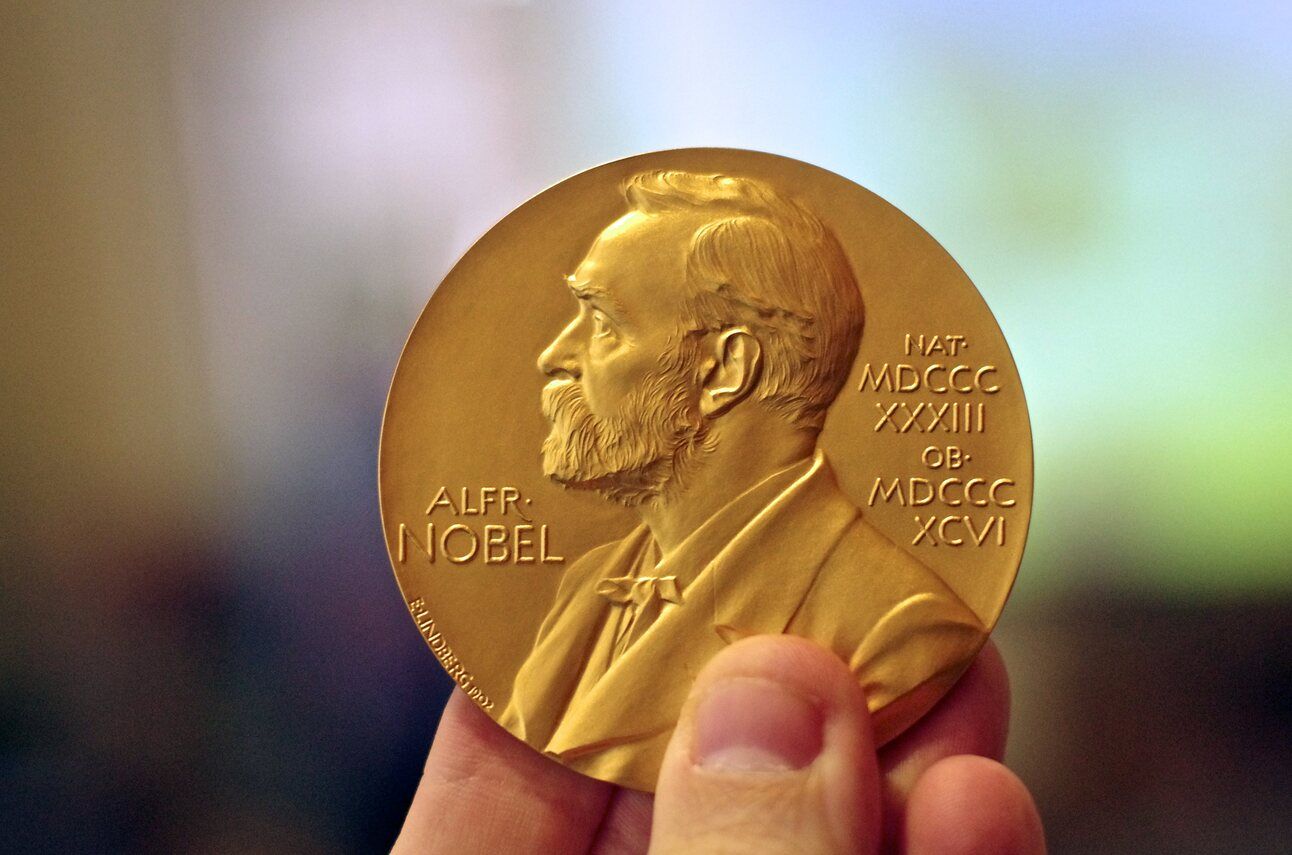
"Nobel Prize Medal in Chemistry" by AlphaTangoBravo / Adam Baker is licensed under CC BY 2.0.
MATH AND THE SCIENCES
Researchers Honor Nobel Physics Laureates for Contributions to Neural Networks
John J. Hopfield and Geoffrey E. Hinton won this year’s Nobel Prize in Physics for their pioneering work on artificial neural networks (ANNs). Read more.
The point:
Nobel Prize in Physics 2024: John J. Hopfield and Geoffrey E. Hinton have been awarded the Nobel Prize in Physics for their pioneering contributions to machine learning through artificial neural networks (ANNs), laying the foundation for today’s AI technologies.
Key Contributions: Hopfield developed an associative memory network to store and reconstruct data patterns similar to brain function. Hinton furthered this work with the Boltzmann machine, which autonomously identifies patterns in data, revolutionizing fields like computer vision and pattern recognition.
Real-World Applications: Their breakthroughs have widespread applications, from image recognition to healthcare, such as enhancing breast cancer detection. Their work underscores the importance of combining physics and technology to advance artificial intelligence and address global challenges.
Receive Honest News Today

Join over 4 million Americans who start their day with 1440 – your daily digest for unbiased, fact-centric news. From politics to sports, we cover it all by analyzing over 100 sources. Our concise, 5-minute read lands in your inbox each morning at no cost. Experience news without the noise; let 1440 help you make up your own mind. Sign up now and invite your friends and family to be part of the informed.
LISTS
The Best Hands-On STEM Kits for Young Minds
STEM (Science, Technology, Engineering, and Math) toys have become an increasingly popular way for children to learn through hands-on play. Far from the simple board games of the past, these kits allow young learners to engage deeply with scientific and engineering concepts in fun, interactive ways. Whether creating electronic circuits, constructing robots, or designing intricate mechanical structures, STEM toys allow kids to develop crucial skills while building their understanding of the world. These toys blend education with play, inspiring curiosity, creativity, and a lifelong interest in learning. Read more.
MATH AND THE SCIENCES
Nobel Prize in Chemistry 2024 Awarded for Innovations in Protein Research
David Baker, Demis Hassabis, and John Jumper won the 2024 Nobel Prize in Chemistry for groundbreaking work in protein research. Read more.
The point:
Nobel Prize in Chemistry 2024: David Baker, Demis Hassabis, and John Jumper were awarded the Nobel Prize for their pioneering contributions to protein research. Baker was honored for his work in computational protein design, while Hassabis and Jumper were recognized for developing AI-based protein structure prediction with AlphaFold2.
Key Contributions: Baker's innovations in creating new proteins have transformative applications in pharmaceuticals and vaccines. Hassabis and Jumper solved the decades-old problem of predicting protein folding, enabling accurate models for over 200 million proteins.
Impact: These breakthroughs have revolutionized biotechnology and biological research, allowing scientists to design new proteins and gain deeper insights into disease mechanisms, antibiotic resistance, and materials science. They have also paved the way for future health and technology advancements.
|

HEALTH AND THE BODY
Nobel Prize in Medicine Awarded for Discovery of MicroRNA's Role in Gene Regulation
Victor Ambros and Gary Ruvkun were awarded the 2024 Nobel Prize in Physiology or Medicine for discovering microRNA and its role in regulating gene activity. Read more.
T
The Point:
Nobel Prize in Physiology or Medicine 2024: Victor Ambros and Gary Ruvkun were awarded for their discovery of microRNA, a critical molecule that regulates gene activity and enables cellular differentiation in multicellular organisms, including humans.
Fundamental Discovery: Ambros and Ruvkun's research showed that microRNAs bind to messenger RNA (mRNA) to control protein production, helping cells specialize by regulating which genes are active. This breakthrough provided a new understanding of gene regulation.
Impact: The discovery of microRNAs has had wide-ranging implications for biology and medicine. It has revealed their crucial role in many biological processes and linked their misregulation to diseases such as cancer and genetic disorders.