- The Point by Modern Sciences
- Posts
- Black Hole Mysteries, Long COVID Insights, and a Breakthrough in Cobra Bite Treatment
Black Hole Mysteries, Long COVID Insights, and a Breakthrough in Cobra Bite Treatment
The Point by Modern Sciences - September 23, 2024

Don Smith
September 23, 2024
In partnership with

By The Modern Sciences Team | September 23, 2024 |
To all readers and Cultivators of Curiosity,
Welcome to the 19th edition of The Point by Modern Sciences; this issue unpacks the mysteries of our universe, the long-term implications of global health crises, and innovative medical breakthroughs.
First, we explore the potential discovery of an intermediate-mass black hole near the Milky Way's core, offering new insights into cosmic evolution and the formation of supermassive black holes. Next, we dive into the complex reality of long COVID, examining its far-reaching health impacts and the ongoing scientific efforts to unravel this modern-day puzzle. Lastly, we turn to a century-old drug that might revolutionize cobra bite treatment, with researchers repurposing blood thinners as a promising, accessible antidote.
These stories reflect the dynamic intersection of space, health, and medical innovation, challenging us to rethink our understanding of the vast universe and the intricate details of life on Earth.
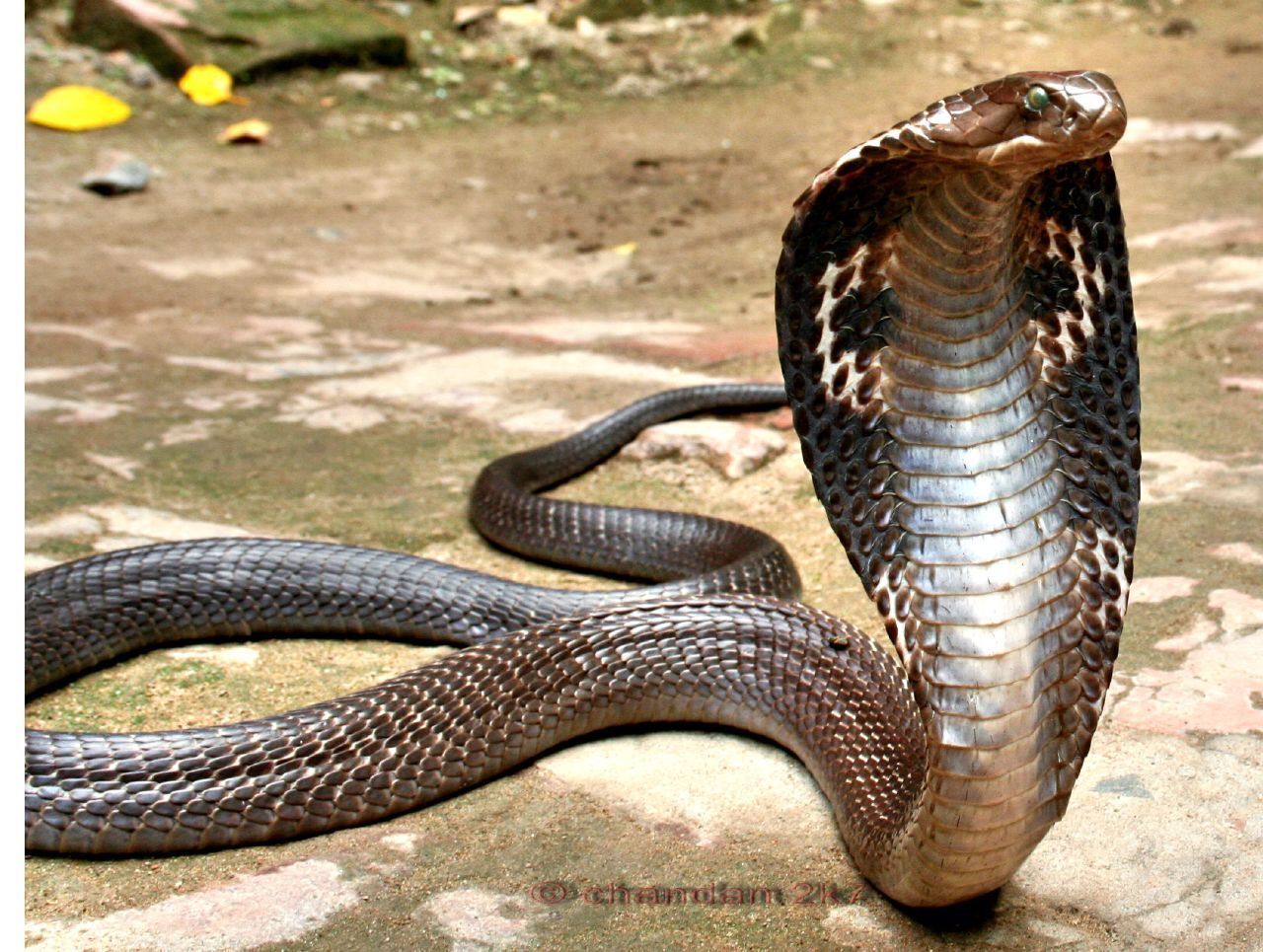
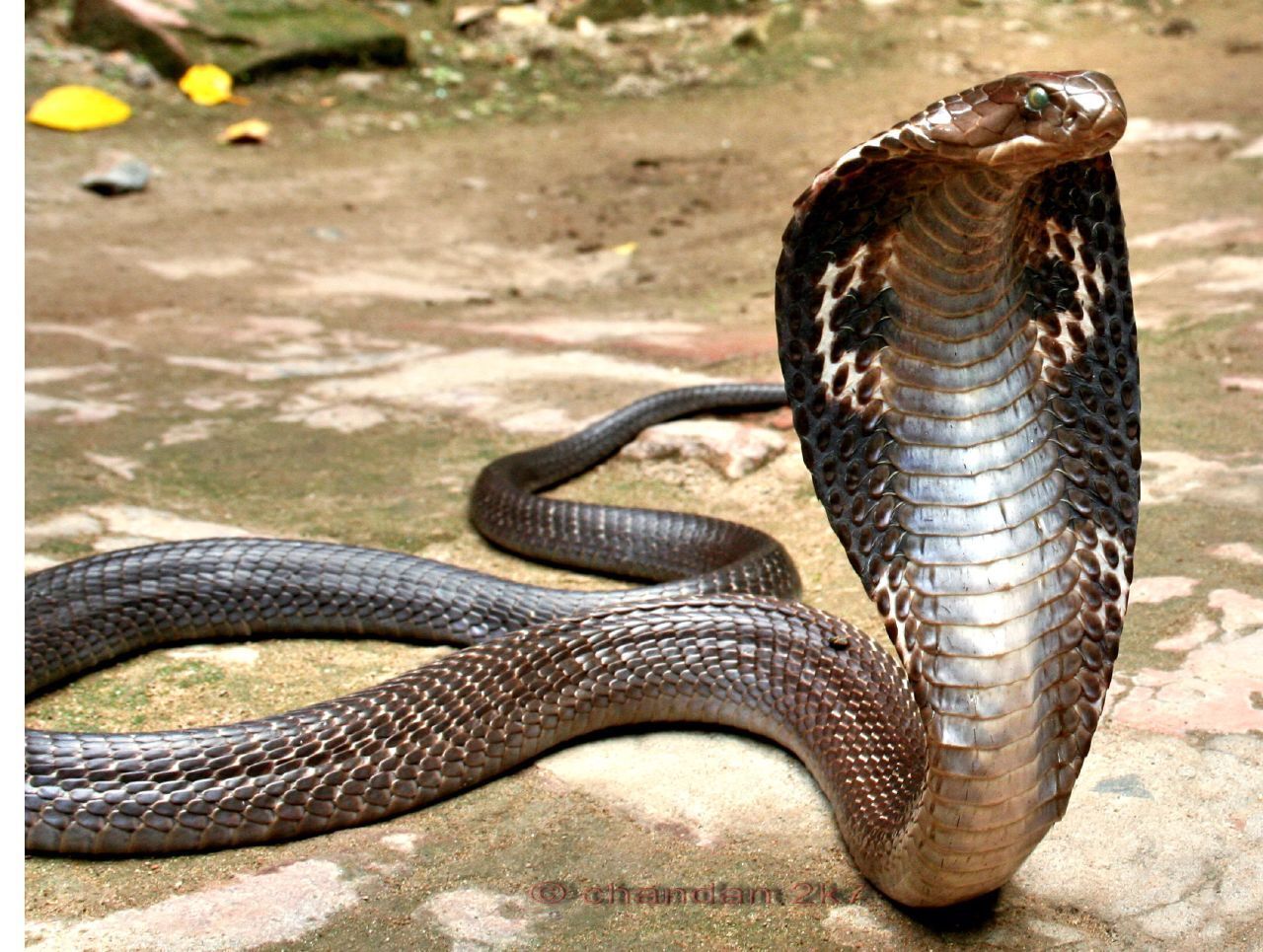
"Indian spectacled cobra" by Scorius is licensed under CC BY 2.0.
SPACE
Possible Intermediate-Mass Black Hole Discovered Near Milky Way’s Core
An international research team led by PD Dr. Florian Peißker discovered signs of a potential intermediate-mass black hole in the star cluster IRS 13 near the supermassive black hole Sagittarius A* (SgrA*) at the center of the Milky Way. Read more.
Main takeaways:
Discovery of an Intermediate-Mass Black Hole: An international research team has identified signs of a potential intermediate-mass black hole within the star cluster IRS 13, located near the supermassive black hole Sagittarius A* (SgrA*) at the center of the Milky Way. This discovery suggests that intermediate-mass black holes, believed to have formed shortly after the Big Bang, may play a crucial role in developing supermassive black holes.
Observations and Evidence: The IRS 13 star cluster, situated just 0.1 light-years from SgrA*, exhibits an unusually orderly arrangement of stars. This regular movement suggests the influence of either SgrA* or an unseen intermediate-mass black hole. Observations using the Very Large Telescope, the Atacama Large Millimeter Array (ALMA), and the Chandra X-ray Observatory detected X-rays and ionized gas rotating at high speeds around the suspected black hole. The high star density of IRS 13 further supports the presence of an intermediate-mass black hole.
Future Research and Implications: The discovery of this intermediate-mass black hole could provide significant insights into the growth of supermassive black holes like SgrA*. Future observations with the James Webb Space Telescope (JWST) and the Extremely Large Telescope (ELT) aim further to explore the dynamics of the IRS 13 star cluster and confirm the existence of the black hole. This research is expected to advance our understanding of cosmic structures and their formation.
Receive Honest News Today

Join over 4 million Americans who start their day with 1440 – your daily digest for unbiased, fact-centric news. From politics to sports, we cover it all by analyzing over 100 sources. Our concise, 5-minute read lands in your inbox each morning at no cost. Experience news without the noise; let 1440 help you make up your own mind. Sign up now and invite your friends and family to be part of the informed.
LISTS
From Dinosaurs to Quantum Reality: A Reading Guide for Science Enthusiasts
Science is full of mysteries that challenge our understanding of the world, its origins, and even the fabric of reality. Fortunately, some of the best minds in science have shared their insights and discoveries through captivating books that explore these profound questions. From the secrets of our genomes to the hidden wonders of the universe, these books offer a deep dive into the frontiers of scientific knowledge. For science enthusiasts and curious minds, this curated list highlights some of the most thought-provoking reads that blend history, research, and discovery. Read more.
HEALTH AND THE BODY
Long COVID puzzle pieces are falling into place – the picture is unsettling
Since 2020, long-term COVID-19 has significantly affected the health and quality of life of millions of people globally, reducing workforce productivity and costing economies billions. Read more.
Important details:
Long COVID Impact: Since 2020, COVID-19 has become a widespread disability, affecting millions globally and costing economies billions in reduced productivity and workforce depletion. It encompasses a range of long-term health effects from the SARS-CoV-2 infection, impacting various organs and causing conditions like respiratory issues, fatigue, and heart failure.
Scientific Research and Findings: Over 24,000 scientific publications have emerged on COVID, making it the most researched health condition in any four-year span. Studies show that the risk of developing long-term COVID has decreased from 10.4% in 2020 to 3.5% among vaccinated adults by early 2022. However, even at 3.5%, new and repeat infections result in millions of long-term COVID cases.
Comprehensive Health Impacts: Long-term COVID can cause over 200 health effects, affecting multiple body systems and potentially leading to heart disease, neurological issues, and metabolic disorders. It can result in significant disability, impacting the ability to work or attend school and decreasing quality of life. Despite this, the public narrative often underestimates the ongoing threat of COVID-19 and its severe long-term consequences.
HEALTH AND THE BODY
How a century-old drug could revolutionise cobra bite treatment
Snake bites claim the lives of 1.8 million people annually, causing up to 138,000 deaths and 400,000 cases of permanent scarring and disability. Current antivenoms have limitations, particularly for tissue-damaging venoms like those from cobras. Read more.
Key takeaways:
New Treatment Discovery for Snakebites: Researchers have discovered a new treatment for snakebites: they can repurpose cheap, readily available blood-thinning medications, specifically heparinoids, as antidotes for tissue-damaging snake venoms. This breakthrough could significantly improve treatment for snakebite victims, especially in regions where current antivenoms are ineffective or unavailable.
CRISPR Technology Unveils Venom Mechanism: The research team discovered how cobra venoms attack human cells using CRISPR gene-editing technology, finding that the venom targets specific enzymes responsible for making heparan and heparin sulfate. By flooding the system with free heparin, they were able to prevent the venom from causing cell death, even when administered after exposure.
Potential for Accessible Snakebite Treatment: The researchers aim to develop a snakebite treatment device, similar to an EpiPen, containing heparinoids. These drugs are already inexpensive, stable at room temperature, and approved for self-administration, which could make them highly accessible and effective in remote regions where cobra bites are common. This approach may pave the way for more universal and cost-effective venom treatments.