- The Point by Modern Sciences
- Posts
- Massive Black Holes, Helicopter Safety, and Sucralose’s Impact on Water Ecosystems
Massive Black Holes, Helicopter Safety, and Sucralose’s Impact on Water Ecosystems
The Point by Modern Sciences - September 18, 2024

Don Smith
September 18, 2024
In partnership with

By The Modern Sciences Team | September 18, 2024 |
Dear Cultivators of Curiosity,
Welcome to the 17th edition of The Point by Modern Sciences! This issue takes you on a journey through the vastness of space, the safety of cutting-edge technology, and the unseen impacts of everyday substances on our environment.
First, we delve into the intriguing findings surrounding massive black holes and their unexpected connection to the elusive dark matter. Then, we break down the technology and rigorous training that make helicopter travel safer than many might assume. Finally, we explore a study on sucralose's lasting effects on aquatic ecosystems, shedding light on how artificial sweeteners might alter the delicate balance of our natural world.
These stories uncover layers of complexity in the universe, human innovation, and environmental stewardship, sparking new discussions about what lies beyond the surface.
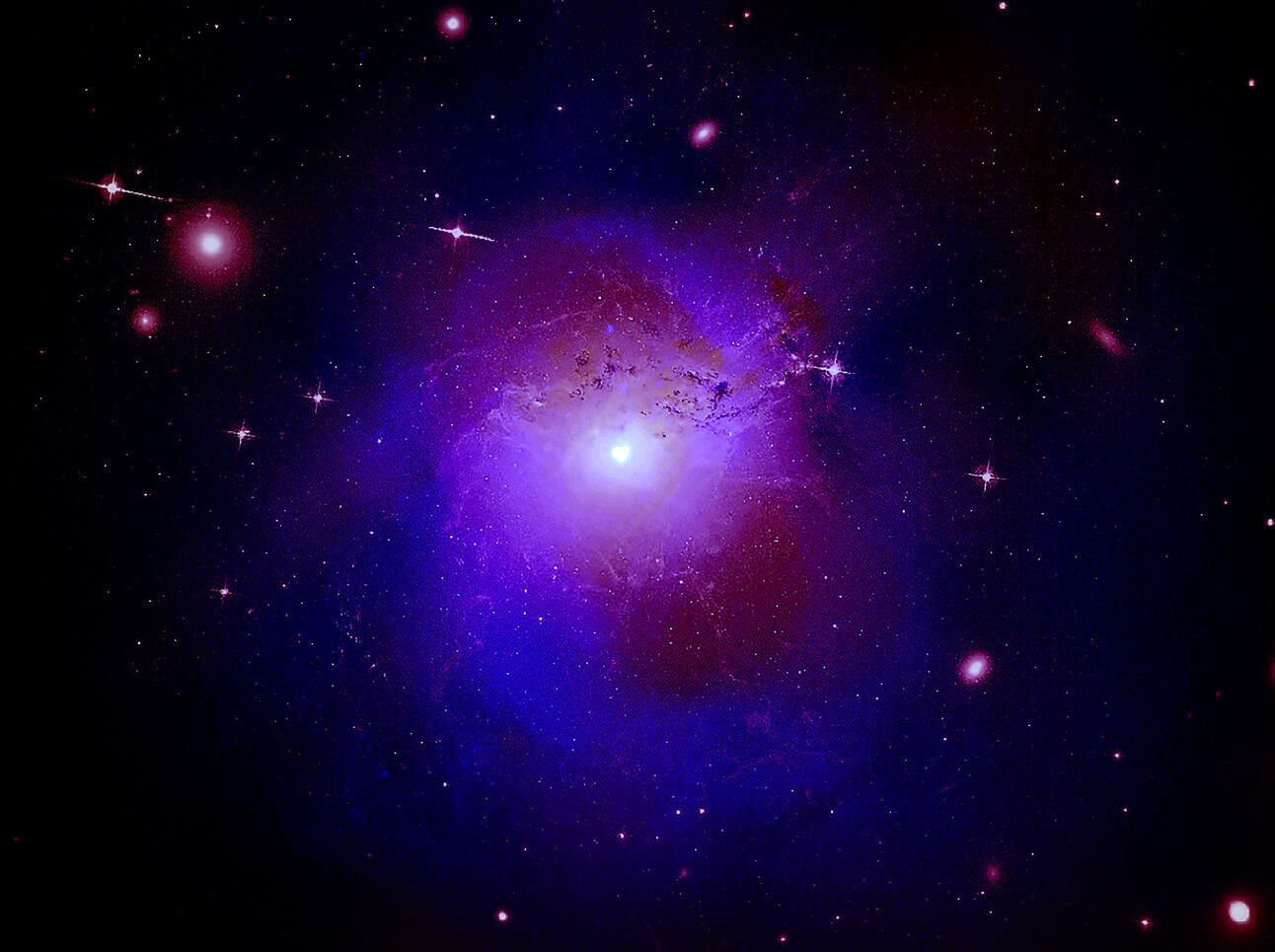
"A New Twist in the Dark Matter Tale" by NASA's Marshall Space Flight Center is licensed under CC BY-NC 2.0.
SPACE
Astronomers Unravel Mystery of Massive Black Holes and Dark Matter
LIGO and Virgo gravitational wave detectors have discovered a group of massive black holes that challenge existing explanations and raise questions about their connection to dark matter. Read more.
Important highlights:
Mystery of Massive Black Holes: LIGO and Virgo's discovery of massive black holes challenges conventional theories, raising intriguing questions about their connection to dark matter, which makes up a significant portion of the universe's mass.
Groundbreaking Research: A study by the OGLE survey suggests these black holes may only constitute a small fraction of dark matter. This finding has been published in prestigious journals based on nearly two decades of observations, prompting new inquiries into the nature of dark matter and cosmic evolution.
Exploring Dark Matter: Despite extensive efforts, dark matter remains elusive. The OGLE team's use of gravitational microlensing to study stars in the Large Magellanic Cloud highlights the complexity of identifying dark matter components, suggesting that massive black holes contribute minimally to this cosmic mystery.
💥 Use AI to 10X your productivity & efficiency at work (free bonus) 🤯
Still struggling to achieve work-life balance and manage your time efficiently?
Join this 3 hour Intensive Workshop on AI & ChatGPT tools (usually $399) but FREE for first 100 readers.
Save your free spot here (seats are filling fast!) ⏰

An AI-powered professional will earn 10x more. 💰 An AI-powered founder will build & scale his company 10x faster 🚀 An AI-first company will grow 50x more! 📊 |
Want to be one of these people & be a smart worker?
Free up 3 hours of your time to learn AI strategies & hacks that less than 1% people know!
🗓️ Tomorrow | ⏱️ 10 AM EST
In this workshop, you will learn how to:
✅ Make smarter decisions based on data in seconds using AI
✅ Automate daily tasks and increase productivity & creativity
✅ Skyrocket your business growth by leveraging the power of AI
✅ Save 1000s of dollars by using ChatGPT to simplify complex problems
LISTS
Science Documentaries That Inspire: A Curated Collection for Enthusiasts
A handful of titles stand out in the world of science documentaries for their ability to both educate and inspire. Whether you are fascinated by the vastness of space, the intricacies of Earth's ecosystems, or the urgent challenges of climate change, these documentaries provide unparalleled insights into our universe and planet. With high-definition visuals, expert narration, and in-depth storytelling, these series and films offer viewers an engaging way to deepen their understanding of complex scientific concepts. Read more.
ENGINEERING
Flying in helicopters is safer than you might think – an aerospace engineer explains the technology and training that make it so
Helicopters are crucial for various life-saving missions, and despite the dramatic attention accidents receive, modern rotorcraft are generally safe, with a lower fatal accident rate compared to small fixed-wing aircraft. Read more.
Important highlights:
Advancements in Helicopter Safety: Modern helicopters, equipped with advanced technology like autopilot systems, terrain-avoidance radar, and rotor blade deicing systems, significantly enhance their safety. These features, along with well-trained flight crews and thorough maintenance practices, contribute significantly to their safety.
Challenges and Risks: Despite advancements, helicopters face risks, especially in challenging conditions like search and rescue operations or firefighting. Accidents often result from complex chains of events, including pilot or mechanic error and adverse weather conditions.
Future Improvements: Continued advancements in technology, including AI-enabled decision systems and improved deicing systems, are expected to enhance helicopter reliability and safety further, lowering operating costs and increasing the effectiveness of these vital vehicles.
EARTH
Study Finds Sucralose's Environmental Impact on Aquatic Microbes
Sucralose, a widely used artificial sweetener in zero-calorie products, persists in the environment due to its resistance to human digestion and microbial breakdown, posing potential risks to aquatic ecosystems. Read more.
Principal observations:
Persistent Environmental Presence: Sucralose, a common artificial sweetener in zero-calorie foods and beverages, persists in the environment due to its resistance to human digestion and microbial breakdown. This resilience raises concerns about its long-term impact on aquatic ecosystems.
Impact on Microbial Communities: A study by Amelia Westmoreland at the University of Florida's Whitney Laboratory for Marine Bioscience investigated sucralose's effects on cyanobacteria and diatoms. Results showed that freshwater cyanobacteria thrived with sucralose exposure, while brackish water cyanobacteria initially increased but later declined sharply. Diatoms, which are vital for ecosystem balance, experienced population declines in freshwater environments when exposed to sucralose.
Call for Further Research: Both researchers emphasize the need for more studies to fully understand sucralose's environmental impact. They aim to encourage further investigations into mitigating the effects of artificial sweeteners on aquatic ecosystems, ensuring the health and sustainability of natural habitats.