- The Point by Modern Sciences
- Posts
- Phone cameras can take in more light than the human eye − that’s why low-light events like the northern lights often look better through your phone camera
Phone cameras can take in more light than the human eye − that’s why low-light events like the northern lights often look better through your phone camera
The Point by Modern Sciences - July 2, 2024

Don Smith
July 02, 2024
In partnership with


By The Modern Sciences Team | July 2, 2024 |
Greetings, Cultivators of Curiosity!
In this fifth edition of The Point by Modern Sciences, we present compelling insights into the latest scientific developments that impact everyday life.
Discover how modern smartphone cameras surpass human vision in capturing the northern lights, providing a new perspective on low-light photography, as well as the intriguing asymmetry in the Earth's magnetic field that satellite observations have revealed and the implications for technology and navigation. Lastly, delve into the rising risks of air turbulence due to climate change and learn about the routes most affected and strategies for safer air travel.
Each article offers a unique viewpoint on how science shapes our understanding and experience of the world around us.
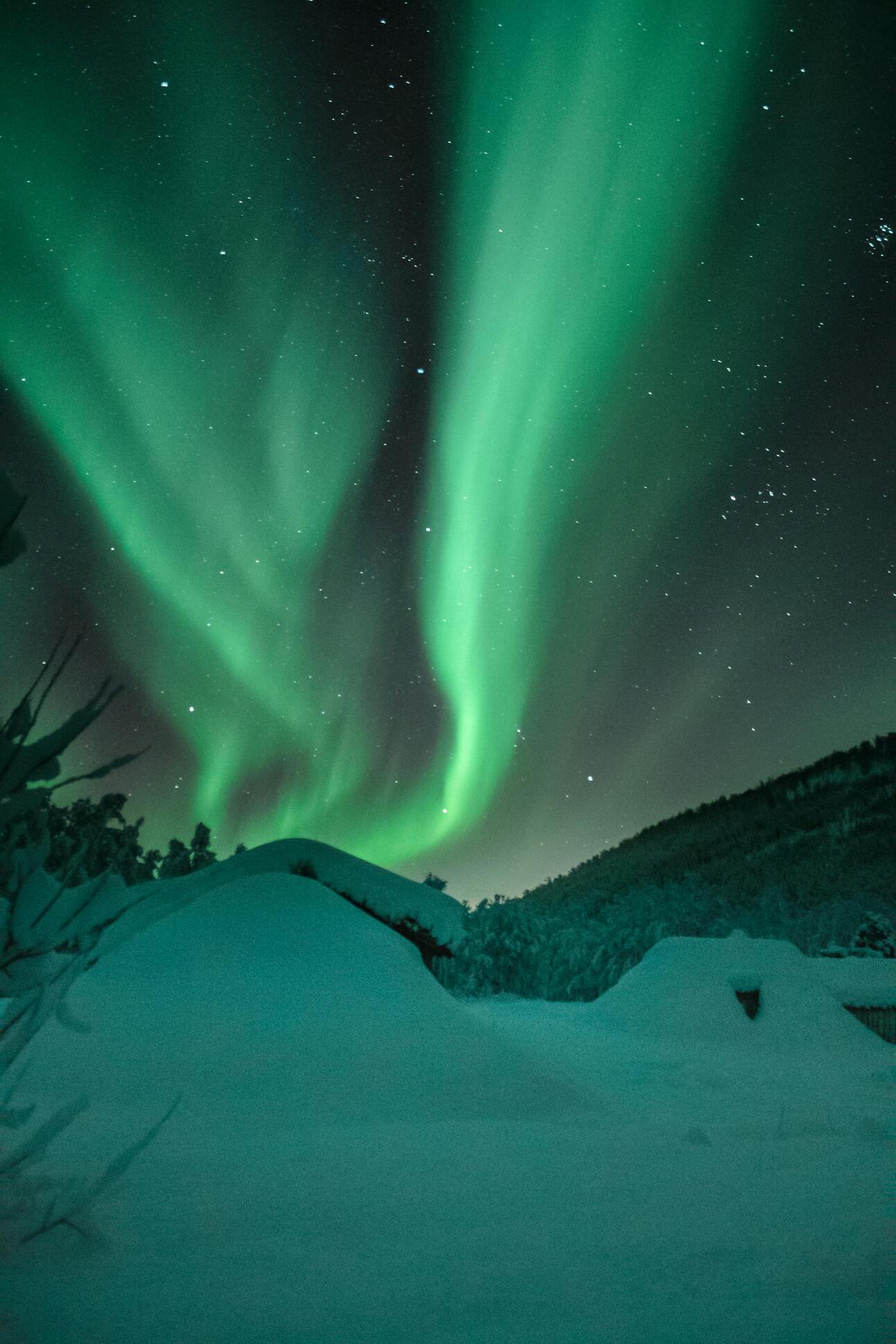
Photo by Tobias Bjørkli: https://www.pexels.com/photo/aurora-borealis-1674625/
TECH
Phone cameras can take in more light than the human eye − that’s why low-light events like the northern lights often look better through your phone camera
Recent advancements in smartphone cameras, including computational photography and AI, allow these devices to capture stunning, vivid images that often surpass what the naked eye can see. Read more.
Noteworthy details:
Enhanced Night Photography: Modern smartphone cameras use computational photography and AI to capture stunning images of the northern lights, making them appear more vivid and colorful than seen with the naked eye.
Overcoming Human Vision Limitations: Human eyes rely heavily on rods in low-light conditions, which reduces color perception. Smartphones overcome this using advanced sensors, longer exposure times, larger apertures, and ISO adjustments.
AI and Computational Techniques: Smartphones leverage features like image stabilization, multi-image processing, night mode, and LiDAR to enhance photo quality, making them superior at capturing detailed and bright images of auroras compared to what human eyes can perceive.
Learn AI in 5 Minutes a Day

AI Tool Report is one of the fastest-growing and most respected newsletters in the world, with over 550,000 readers from companies like OpenAI, Nvidia, Meta, Microsoft, and more.
Our research team spends hundreds of hours a week summarizing the latest news, and finding you the best opportunities to save time and earn more using AI.
EARTH
Satellite Observations Uncover Asymmetry in Earth’s Magnetic Field
The study's findings are crucial for improving geomagnetic field models, satellite operation, and navigation systems, highlighting rapid polar magnetic field changes over the past decade. Read more.
Vital points:
Model Accuracy Challenges: A recent study reveals significant discrepancies between satellite observations and the IGRF-13 geomagnetic model. Daily solar wind variations and solar storms have an impact on these discrepancies, which reduce the accuracy of the geomagnetic field model.
Polar Asymmetry: The study finds differences between the north and south polar regions. The majority of magnetic field vector residuals are in the high-latitude auroral zone, and satellite orbit biases around the geographic poles make them worse.
Implications for Technology: These findings highlight the need for improved geomagnetic field models to enhance satellite and aviation navigation systems, emphasizing the importance of understanding and addressing biases in current models.
EARTH
Are some routes more prone to air turbulence? Will climate change make it worse? Your questions answered
Weather patterns close to airports, wake turbulence from other aircraft, and clear-air turbulence are just a few of the causes of turbulence that are likely to get worse as a result of climate change. Read more.
Primary insights:
Rising Turbulence Risks: Climate change is expected to increase the frequency and intensity of air turbulence, with research showing significant worsening over the past few decades, particularly clear-air turbulence, which is hard to predict or avoid.
Common Turbulence Zones: Turbulence can occur anywhere but is more common near mountain ranges and at the edges of jet streams. Routes such as Brisbane to Sydney and Melbourne to Sydney in Australia experience high average turbulence.
Mitigation Strategies: While the technology to detect turbulence is still developing, pilots use weather radar and real-time data from ground-based meteorological centers to avoid turbulent areas. Passengers are advised to always fasten their seatbelts when instructed for safety.