- The Point by Modern Sciences
- Posts
- AI plus gene editing promises to shift biotech into high gear
AI plus gene editing promises to shift biotech into high gear
The Point by Modern Sciences - June 20, 2024

Don Smith
June 20, 2024
In partnership with

By The Modern Sciences Team | June 20, 2024 |
Good day, Cultivators of Curiosity!
Welcome to the third edition of The Point by Modern Sciences. In this issue, we delve into groundbreaking research and discoveries that underscore the relevance of science in our daily lives. From advancements in biotechnology leveraging AI and gene editing to insights into early human adaptations in hunting practices and recent breakthroughs in sleep research, each article promises to illuminate how scientific innovation shapes our understanding of the world and impacts our everyday experiences.
Join us as we reveal the profound implications of these articles for technology, culture, and health.
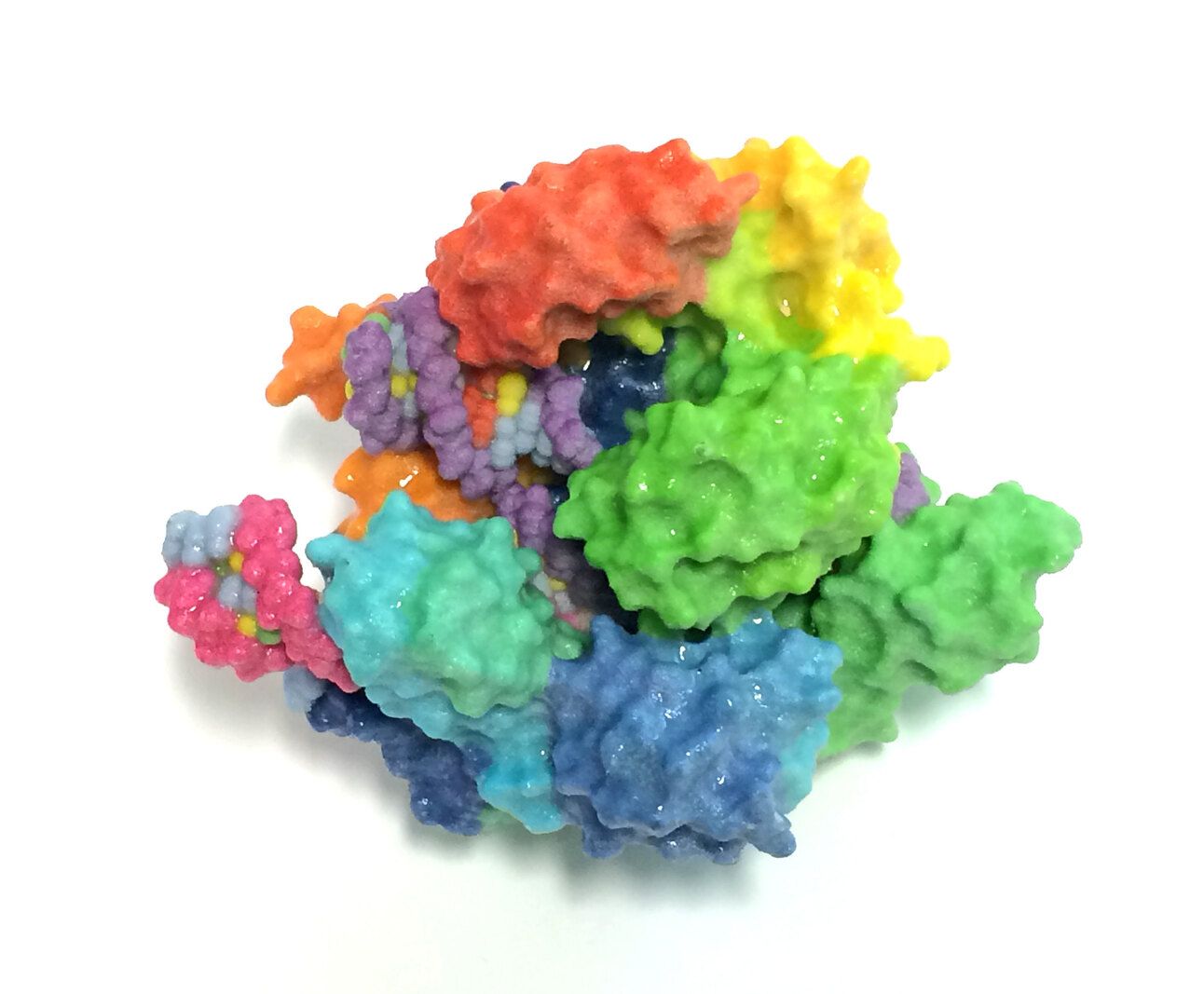
"Cas9 from CRISPR" by National Institutes of Health (NIH) is licensed under CC BY-NC 2.0.
AI plus gene editing promises to shift biotech into high gear
Since Frances Arnold's 2018 Nobel Prize lecture, AI has progressed to the point where it can now compose DNA, enabling the creation of bespoke proteins with genetically modified bacteria. Read more.
Essential points:
AI and DNA Composition: Advances in AI and gene editing now enable scientists to design and create new DNA sequences, moving beyond the limitations Frances Arnold mentioned in her 2018 Nobel Prize lecture.
Revolutionizing Protein Design: AI programs like AlphaFold3 and CRISPR technology are combined to produce bespoke proteins, potentially revolutionizing fields such as environmental chemistry and pharmaceuticals by creating enzymes that reduce greenhouse gases or digest plastics.
Technological Potential and Risks: While AI and genetic engineering offer exciting possibilities for addressing global challenges like climate change, they also come with significant risks and the potential for unintended consequences due to the complexity of natural systems.
Learn AI in 5 Minutes a Day

AI Tool Report is one of the fastest-growing and most respected newsletters in the world, with over 550,000 readers from companies like OpenAI, Nvidia, Meta, Microsoft, and more.
Our research team spends hundreds of hours a week summarizing the latest news, and finding you the best opportunities to save time and earn more using AI.
HISTORY
Study Reveals Technological Adaptations of Early Hunters to Hunt Smaller Game
Researchers found ancient stone tools called Quina scrapers, dating back 400,000 years, used by early humans to process fallow deer at Jaljulia and Qesem Cave sites. The Quina scrapers were crafted from non-local flint sourced from the Mountains of Samaria, believed to be the calving grounds for fallow deer. This indicates the significance of this region for prehistoric hunters. Read more.
Highlights:
Adaptation to New Prey: Researchers found that early humans adapted to the disappearance of large game like elephants by developing specialized tools, Quina scrapers, to hunt and process smaller, faster prey such as fallow deer.
Technological and Cultural Significance: The study revealed that these tools were crafted from non-local flint sourced from the Samarian highlands, indicating the significance of specific regions and resources in prehistoric hunting practices.
Insights into Early Human Life: The research highlights the interconnectedness between ancient humans, their tools, and the landscape, offering a deeper understanding of the practical and symbolic roles of Paleolithic hunting tools and practices.
HEALTH AND THE BODY
‘Sleeping on it’ really does help and four other recent sleep research breakthroughs
Lack of sleep disrupts brain connectivity, leading to impaired learning, emotional regulation, and intrusive thoughts, which are linked to poor mental health. Adequate sleep helps flush out β-amyloid, reducing the risk of Alzheimer's. Sleep problems early in life are associated with an increased risk of dementia and cognitive decline. Read more.
Important insights:
Advances in Understanding Sleep: Recent breakthroughs in sleep science reveal that our brain replays memories during sleep, strengthening memory, restructures experiences, and aiding problem-solving, highlighting the practical benefits of a good night's sleep.
Mental Health and Sleep Deprivation: Studies show that sleep deprivation disrupts brain connectivity, affecting cognitive control and emotional regulation, which may contribute to poor mental health and a decreased likelihood of helping others.
Neurodegenerative Disease Prevention: Research indicates that deep, undisturbed sleep helps flush out β-amyloid, reducing the risk of Alzheimer's disease, with sleep problems earlier in life linked to higher rates of cognitive decline.